Turn the site map into a working schedule
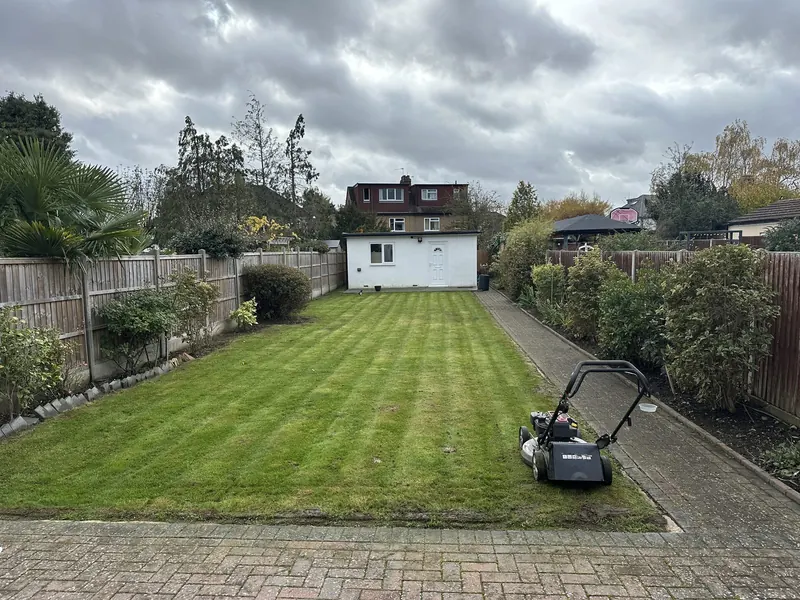
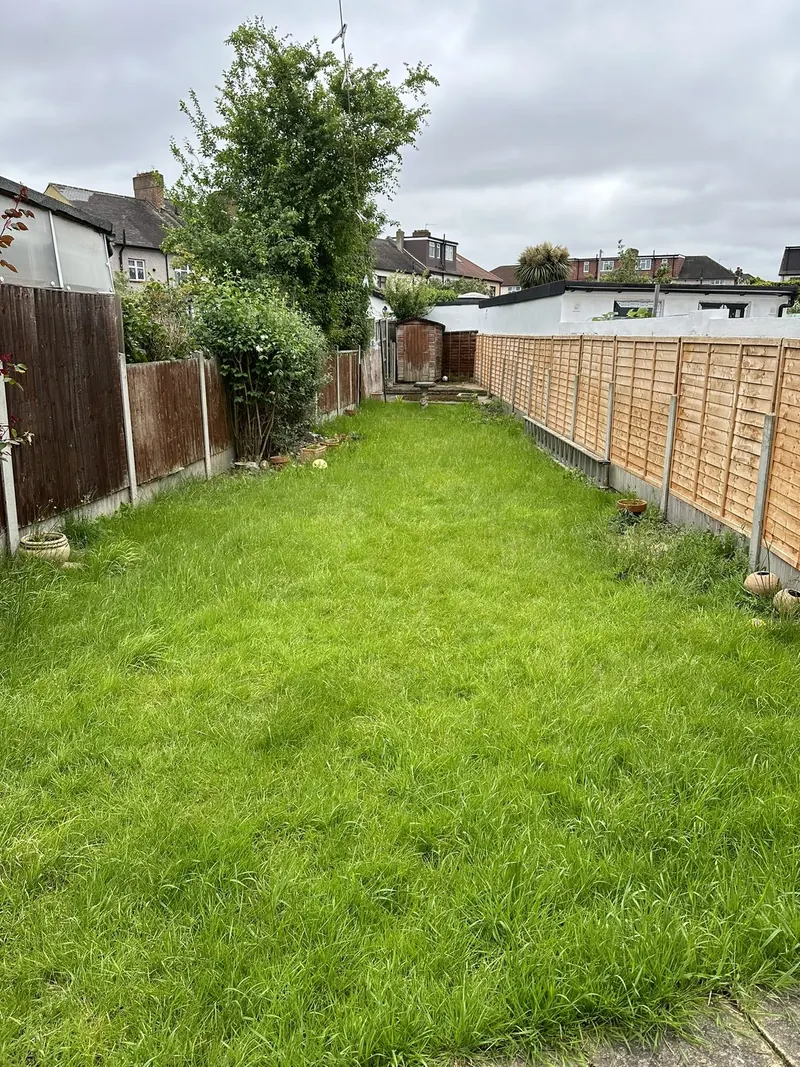
Divide the grounds into areas that someone can recognise on arrival. An entrance lawn, a rear bed and a hedge beside a loading point can each have a different priority. Mark the boundaries between them and show which route should remain usable. A map with named zones is easier to review across planned visits than a single instruction to maintain the grounds. If a one-off visit comes first, identify what it must achieve before the repeat list is agreed.
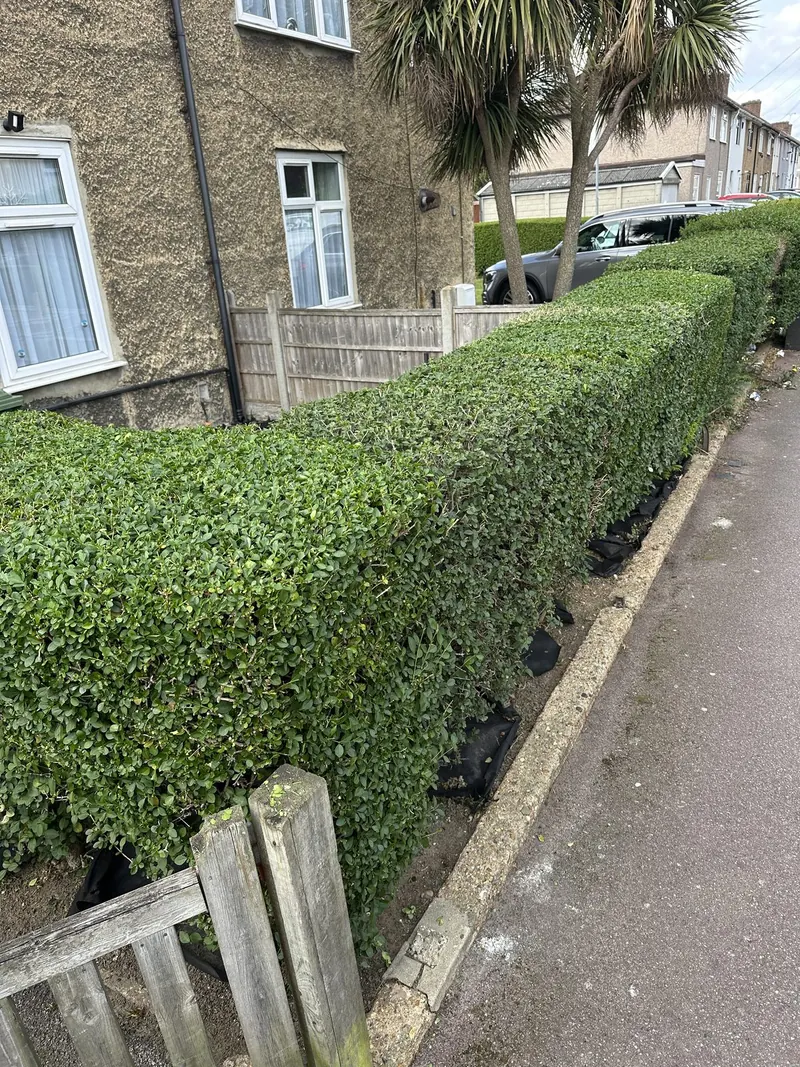
For an annual plan, distinguish the repeated tasks from work that needs separate assessment. Include the desired finish for the grass, where edges should stop and how leaves or clippings should be gathered. Flag hedges and shrubs that overhang a route and identify any tree enquiry separately. Show the standing position and the whole tree from ground level so the assessment can consider whether it is within scope.
Agree a contact and access window for each visit pattern. A site that can be opened before business may have a different route at that time. Record gates, routes and people who can give access. Review the written schedule when the work area changes or an extra task is requested. That keeps a planned visit useful even when the immediate priority is different.
A written grounds schedule works well when it identifies the outcome for each zone. State the lawn edge that should stay defined, the hedge face that affects access and the beds that need attention. Where visitors pass through the work area, describe which route should remain usable and who can open an alternative. Keep a short list of tasks to discuss before the next visit rather than adding them informally to the current one. For work that changes with growth or weather, use the next site review to set priorities. That gives an annual agreement a way to respond to actual conditions.
Plan the work across the year
Review grass growth and ground conditions using the RHS lawn mowing guidance. Check hedge and shrub timing against the plant and finish using the RHS hedge pruning guidance. Flag nesting activity before agreeing a visit and see GOV.UK wild bird protection. Review leaf collection in the autumn with the RHS leaf mould guidance. Identify which beds need hand or tool weeding in the written plan.