Choose the collection by the kind of load
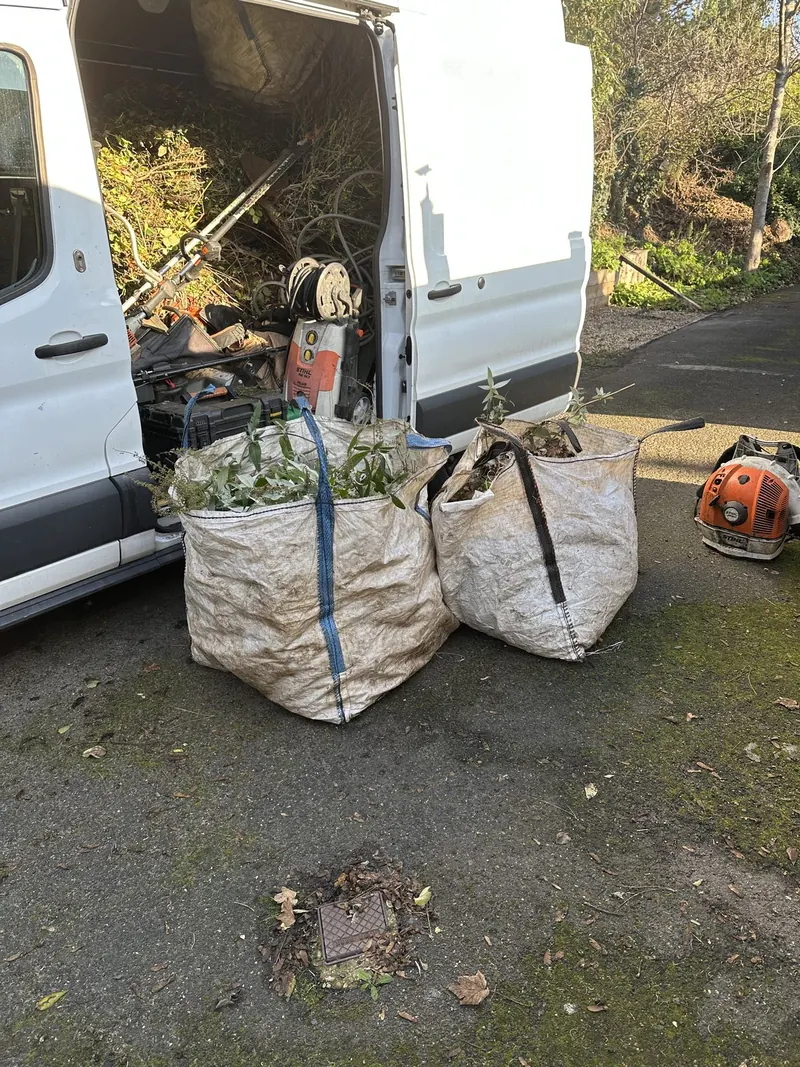
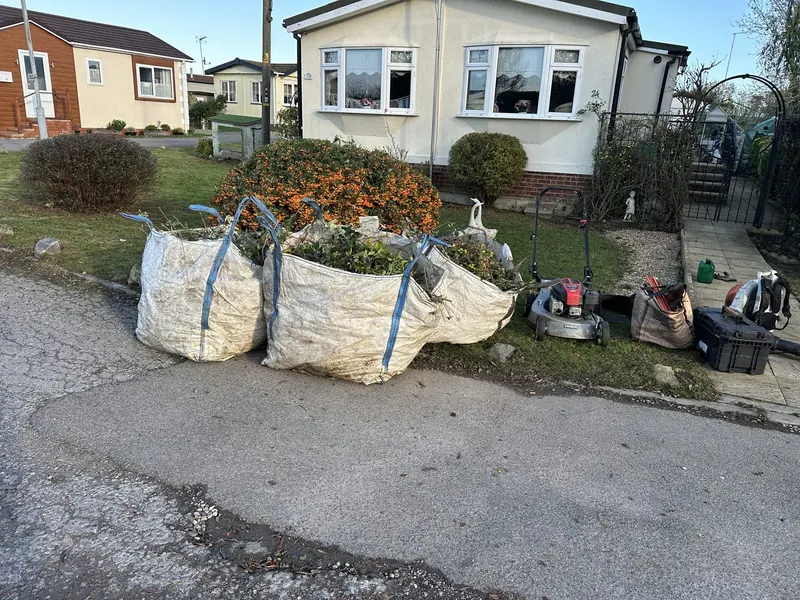
The first choice is between a named load and a space that needs clearing. Several sacks from a hedge cut make a defined collection, even if they sit in different parts of the garden. A garage or a house can instead contain belongings to keep alongside things to remove. In that case the work starts with instructions for each area. Group photographs by job so you can see which part is being estimated and who can approve the list.
Think about what the collection should leave behind. For a single item, you might want the rest of the room left exactly as it was. For a garden, identify the cuttings already gathered and the material still standing. For a house or store, name the rooms or corners to retain and say which doors should stay closed. Put that instruction next to each picture, especially if the person providing access is different from the person who selected the load.
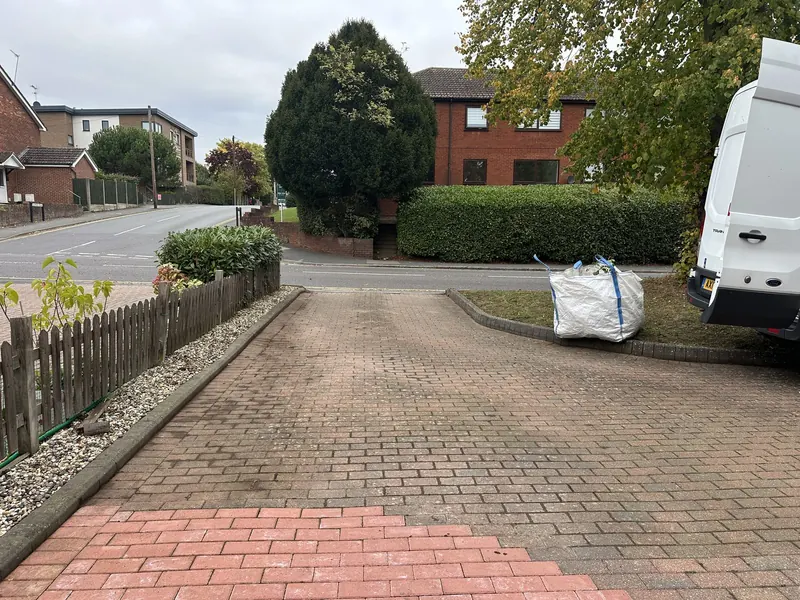
An enquiry is easier to assess when it also shows how the items can leave. Include the approach to the door, changes in level and any place where a load must turn. A picture taken from the exit back towards the items can explain a route that is hard to describe in words. If another activity uses the same entrance, say when it can be made available. Once the quotation is issued, check the accepted material against your list and flag any change before the visit.
If two collections might fit, use the table to decide what still needs describing. A heap of cut branches is about the gathered amount and whether it can be carried. A sofa is about dimensions and turns. A whole room involves decisions about what stays. A useful initial enquiry makes those distinctions before any timing is discussed. Where an item is difficult to identify or the collection point is not available yet, tell us early. Include the job postcode and the person who can confirm the accepted list. If that person will not be present, agree how questions about individual items can be settled before they are moved.
Compare the collection types
The GOV.UK waste duty of care code explains the duty to take reasonable steps to pass household waste to an authorised person. Use the Environment Agency public carrier register to check registration CBDU671401. The agreed material is taken to an authorised site and documented with a waste transfer note.