Give each part of the site a separate brief
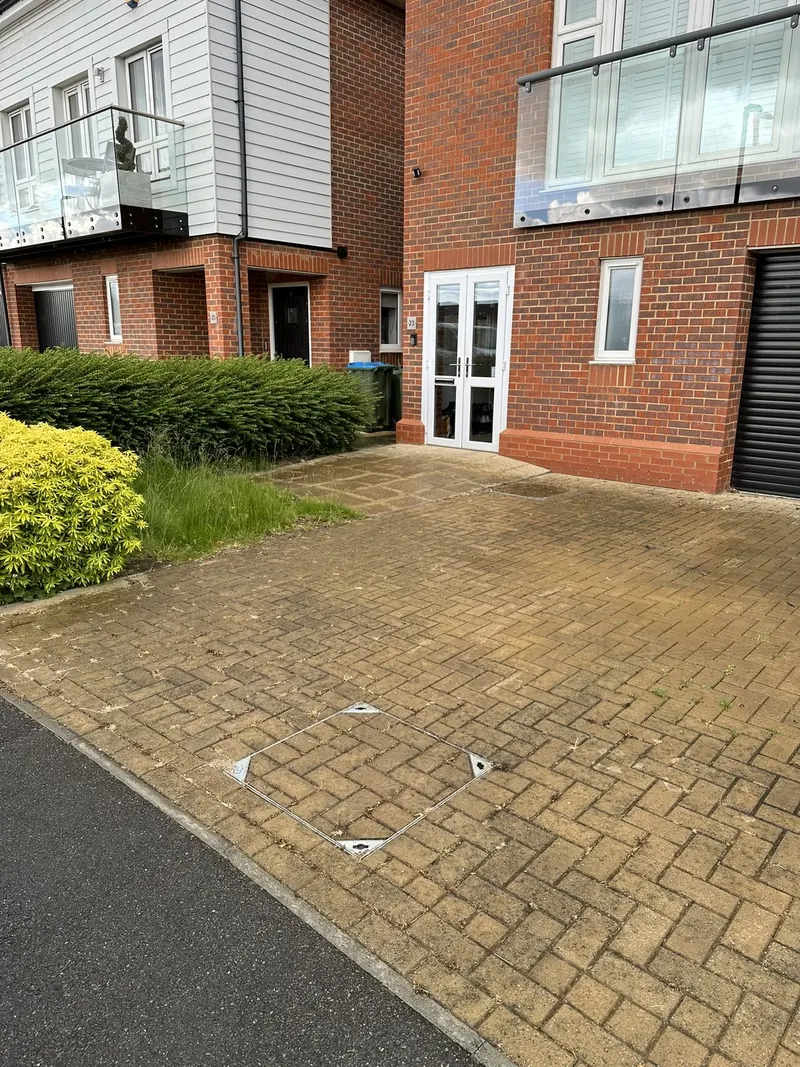
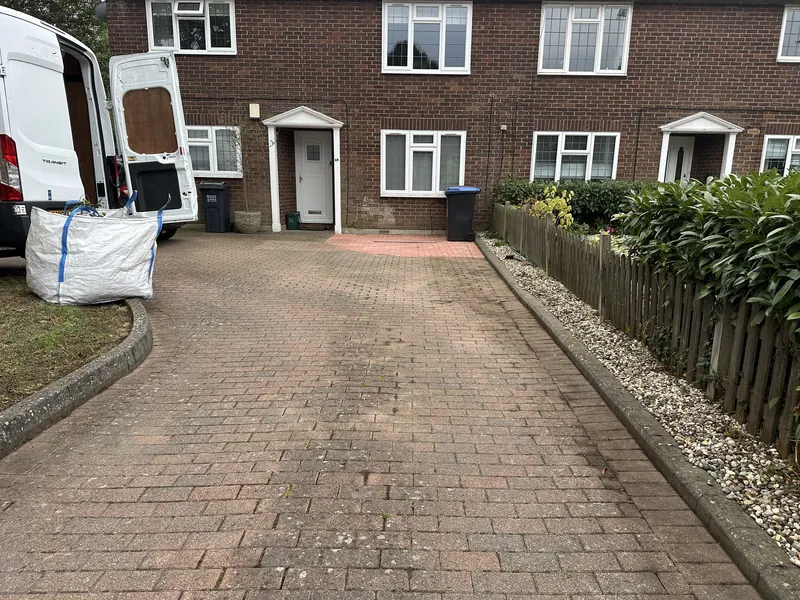
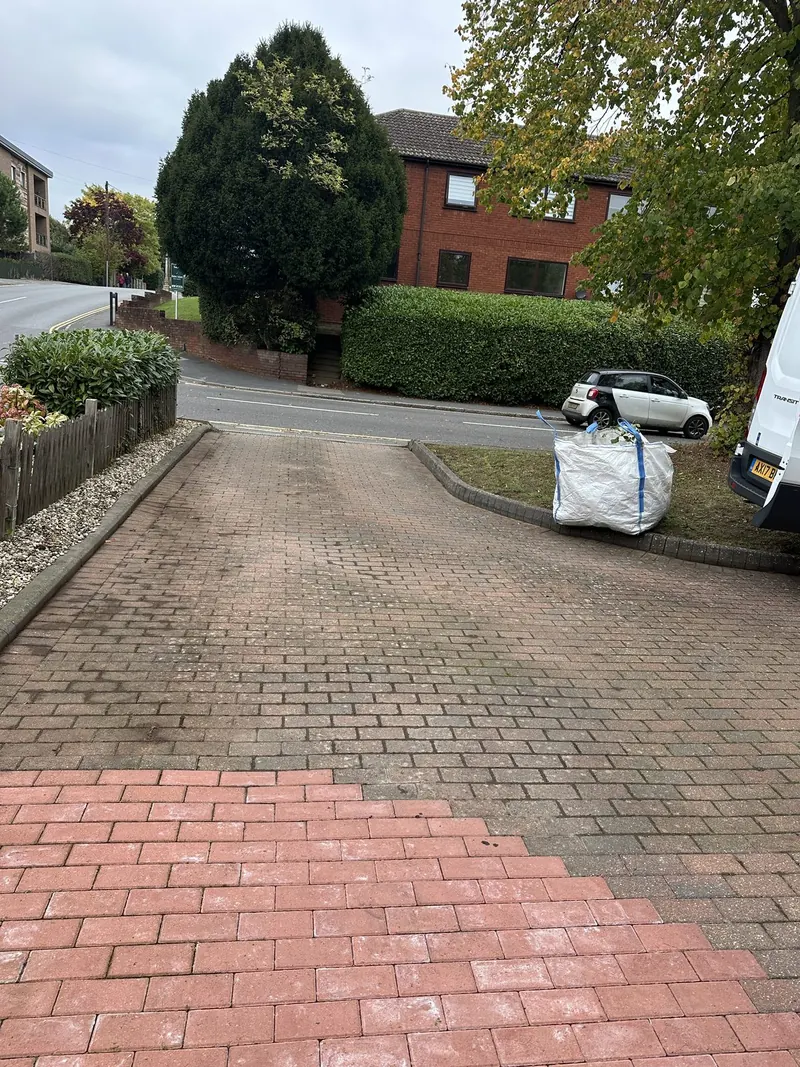
Start with the task that most affects people using the site. For grounds work, mark lawns, beds and routes that need to remain usable. For washing, identify the hard surfaces and working connections. For waste, give a list of materials and the collection point. For property work, show the repair or area for improvement and identify the desired finish. One site overview can link these instructions, while separate photographs help keep the work clear.
For an annual arrangement, describe the tasks that recur and the ones to raise for approval when needed. List any entrances or operating hours that change during the year. A written schedule can make the work and access windows clear to the people opening the site. If a visit is before opening or after hours, identify the person who can give access at that time and which gates or connections will be available.
Use an initial site visit or current photographs to check how the work can fit. Include where materials can be gathered without blocking shared routes. If several services are being considered, decide whether they can share an access window or whether they need separate visits. Ask the person authorising the work to review the agreed scope for each service, including any collection to arrange after the work.
For a managed site, agree who signs off each type of work and who can change a visit window. The same entrance can be used for residents in the morning and deliveries later in the day. Give those details in the brief before a plan is priced. When requesting a visit outside opening hours, describe which entrances, water connections or other access arrangements are available then. For an annual maintenance contract, list routine work first and put separate projects on their own line. Keep a copy of the schedule with the authorised contact so changes can be assessed against the agreed work.
Choose the commercial service