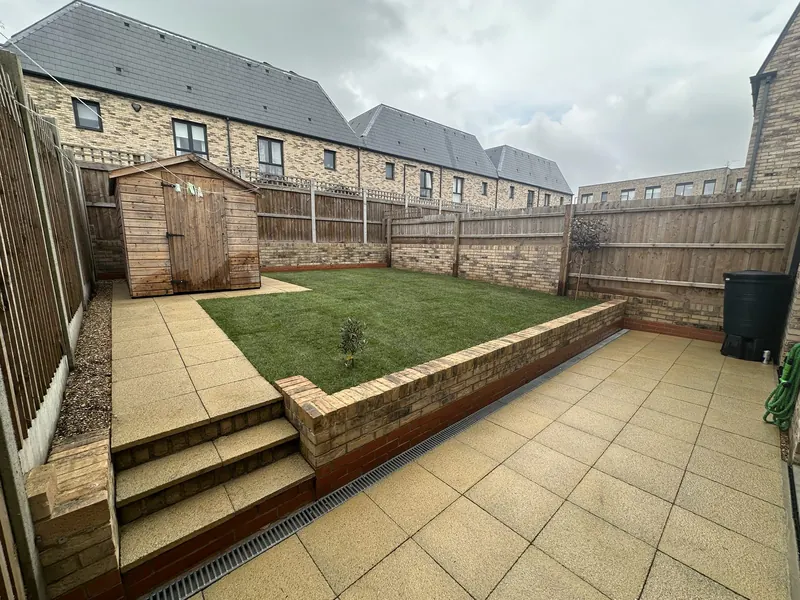
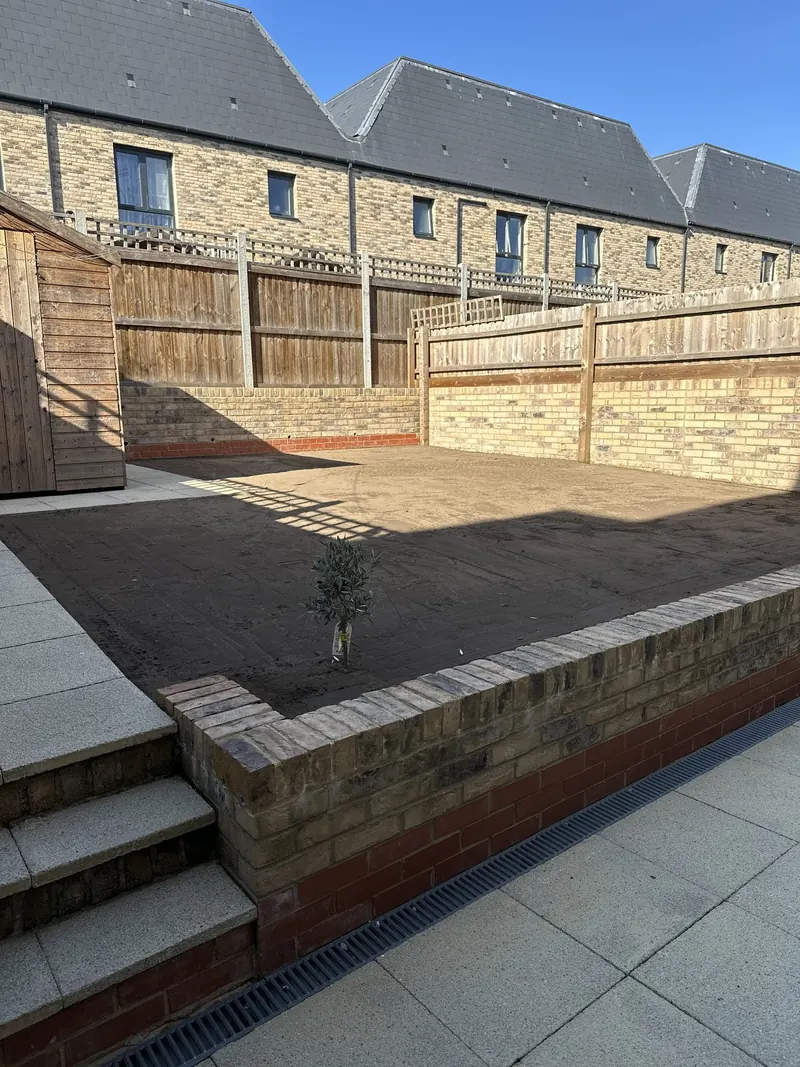
Assess the masonry and the planting below it
Put the main condition issues in the same photograph as the wall when possible. A patch of loose mortar or a repaired section is easier to find if it is shown next to a gatepost or corner. Then add close-ups of the surface and joints. If the wall changes from brick to stone or has a coated face, label the difference. A request to wash the whole face still needs a check of the material at each point.
At ground level, include anything that limits the working area. Photograph pots, shrubs and stems at the base, and identify which plants are to remain. Show where the paving meets the wall and whether it sits lower on one side. Explain whether the back face can be reached. We can assess a single face on its own, and agree protection for the area around the masonry before the visit.
Decide how far around corners you want the clean to go. An outside face and a narrow return can be reached differently even when they share the same brickwork. Mark which part you want to be able to see from the garden or path. For cracks or loose joints, describe the condition separately. The scope should identify where cleaning can go ahead and where the structure needs a separate assessment.
For a wall with several faces, make one note for each face and give it a photograph that identifies the corners. If the same brickwork continues into a neighbour’s area, mark where your request stops. Look for repairs or a different mortar near a gate or planting bed. Include a low view of the ground at the base, especially if it is partly covered by plants. Where the wall is very close to shrubs, show the gap and any pots that can be moved. Tell us which plants should stay in place. A complete brief should identify the face, the material, the condition to assess and the edge where work stops, rather than treating the wall as one uniform surface.
Where the wall meets the garden
Take a second view from the base so the working area can be assessed around plants and adjoining paving. Show coatings, flaking material and the mortar, and agree where the treatment should stop. A repair or unstable section needs separate consideration before washing.