Garden walls and paths
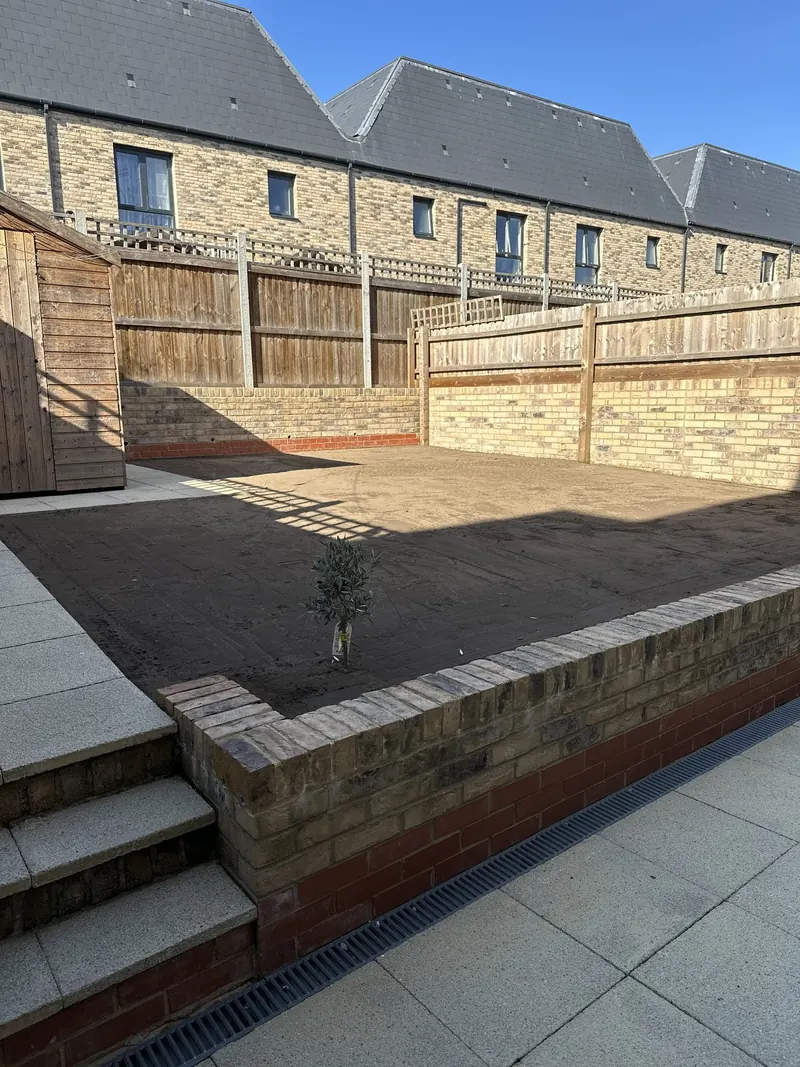
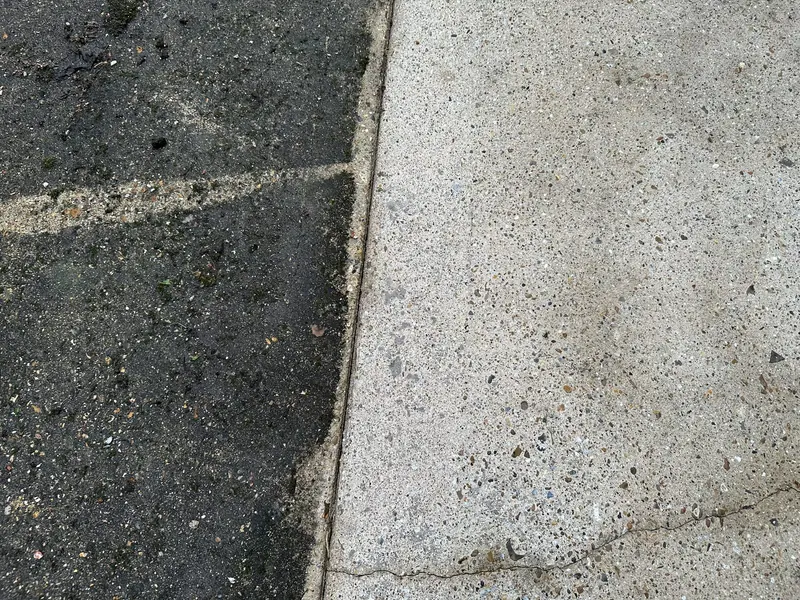
Look down the path and note where the surface changes beneath the wall. A paving edge may be firm while mortar above it is already loose. Show each point in a close photo and mark the length of wall you want considered. If a planted border runs against the masonry, photograph the gap and the pots that need to stay. Give each face a name so the quotation can identify it even when the wall turns a corner.
The job may be easiest to describe by access first. Show who can open each gate and whether a narrow section is the only route through. A low picture taken at the end of the path can show a threshold or return that otherwise disappears in the background.
Mark the ends of the wall independently of the path. Where the path bends, a side view can show whether the face also turns or stops at a pier. If there is a change from brick to another surface, put the join in the frame. Photograph a sound joint as well as the weak one for comparison. Tell us whether the base is surrounded by planted ground or hard paving. That helps define how to approach the wall without assuming every face or return is part of the job.
Think about where people pass while work takes place. A path beside the masonry might serve a gate that someone else needs to open. State who can arrange that access and which end of the route remains useful. If you are enquiring only about the path and not the masonry above it, make that boundary clear. Conversely, show whether the wall can be reached from the adjacent hard surface. Ask for the two surfaces and the condition of each to be described in the written scope so you can check the proposed work against the marked pictures.
Show any channel and where water could travel near the wall. For business premises, the GOV.UK pollution prevention guidance explains why it matters which drains are present. See the separate pathway cleaning scope for a narrow approach.