Decide which surfaces need to be clear
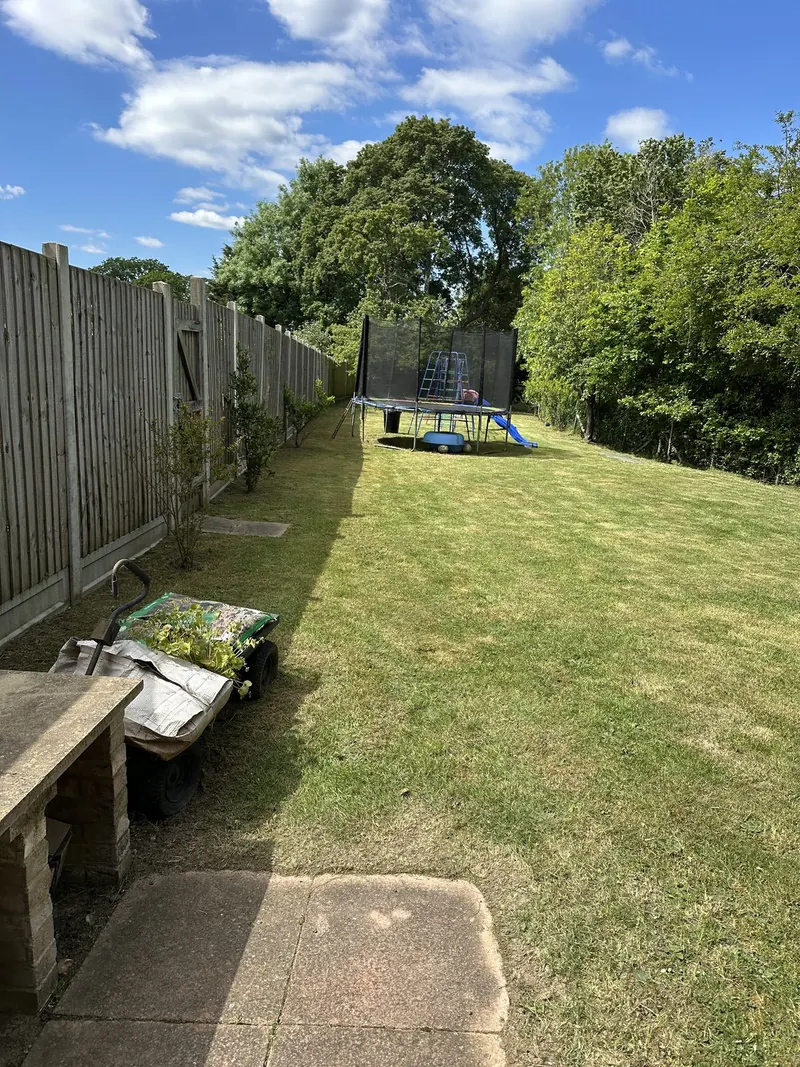
Make a short list of the surfaces where leaves affect how you use the garden. The path to a side gate, the centre of a lawn and the bed beneath a window can have different priorities. Take a view along the path to show the depth at its edges. If there are changes in level, give each step a separate photograph from a position you can stand safely.
In a bed, tell us which areas you want cleared and which can keep a covering of leaves. Show small plants where they are visible and tell us about anything usually hidden beneath the accumulation. If leaves are caught behind furniture, say whether it can be moved. Identify the approach to the bagging point and make clear which routes have to stay open.
For material you wish to retain, pick a gathering point that will be easy to reach. Keep other waste separate when you describe the leaves. If you want to make leaf mould, use the linked guides to decide what to keep and how you will store it. A picture of the gathering area helps us agree the finish of the clearance.
If the same spot needs attention again, photograph it from the same angle. That will show whether the next visit is limited to the main route or whether the lawn and beds also need work. For a single visit, name the surfaces that matter most and show the heaviest build-up in the enquiry.
If there is a second entrance, say whether it should be cleared or used only to reach the first. Include the route to any place where you want leaves left. If the gate opens across the drift, photograph it from the other side as well. Give the collecting point a separate picture so it can be agreed before work.
Keep suitable leaves for leaf mould
The RHS leaf mould guidance explains how collected leaves can break down into a soil conditioner. If you plan to keep some, identify which pile you want to retain and where it should be gathered. The Gardeners guide to clearing leaves discusses the different surfaces in more detail.