Business entrances, paths and parking
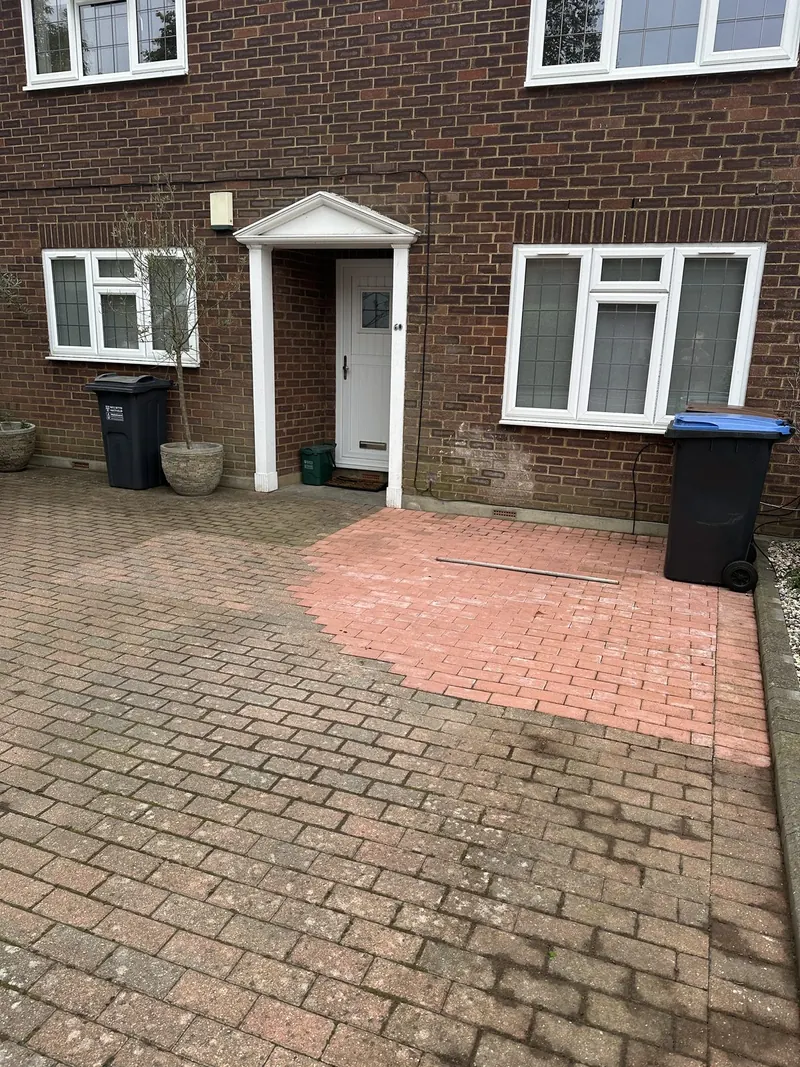
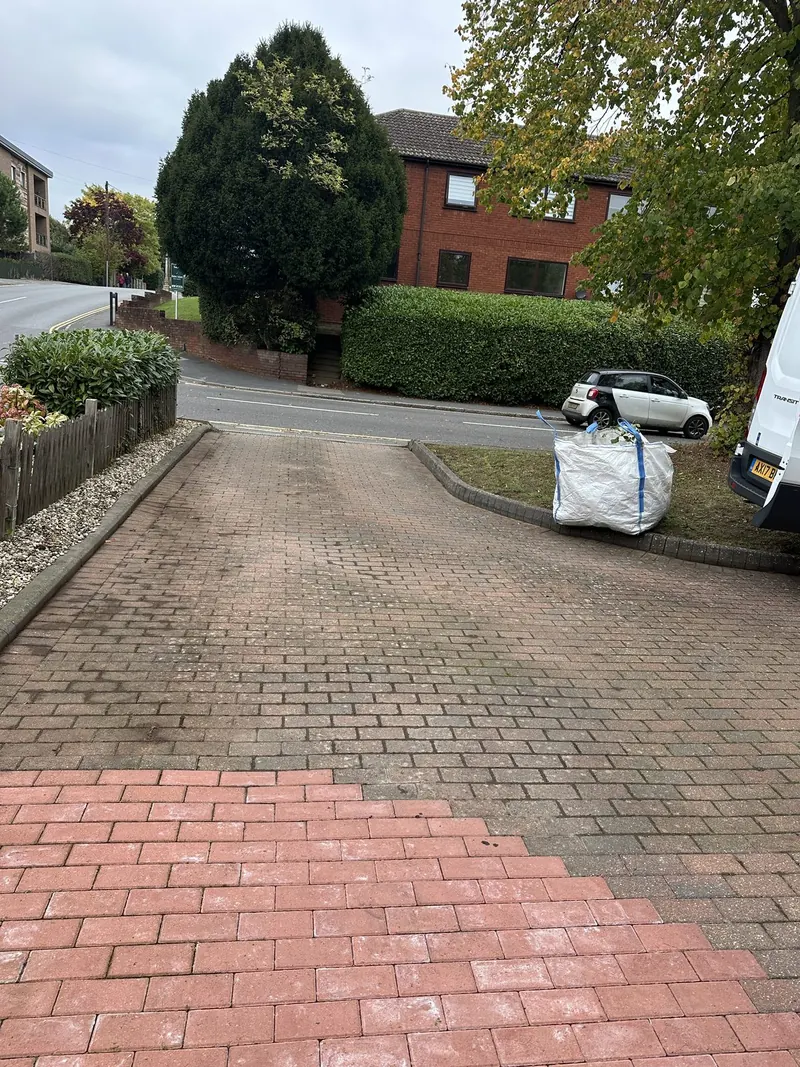
A loading bay may be needed at a different time from a customer entrance. Send a site image with those zones named and give the window when each is available. Include painted areas and where the surface changes, especially if an old repair is visible. A photo from the connection point towards the working area can show what has to be open for a visit before opening or after closing.
Tell us who can release the bays and who will be present to open the site. If only part of the area can be used at once, show where people and vehicles must still pass. Ask for the areas, access and agreed order to be identified in the written scope.
Use a short site schedule to describe the entrance, delivery approach and parking areas. For each one, give the first and last time it can be available. If a customer or resident route needs to stay open, mark the point where it meets the area you want cleaned. On a shared hard surface, a single photograph may hide who needs access at different times. Name the working zones so someone opening the premises can identify them on the day.
For a before-opening or after-hours appointment, say who can unlock the access and make the working connections available. A tap or socket shown in the daytime may sit behind a door that is normally locked later. Send the route from those points to the first and last working zones. Mark any painted lines or worn areas before the assessment. In the written estimate, check which bays or paths are included, what access window has been agreed and whether any area needs to wait for a separate assessment.
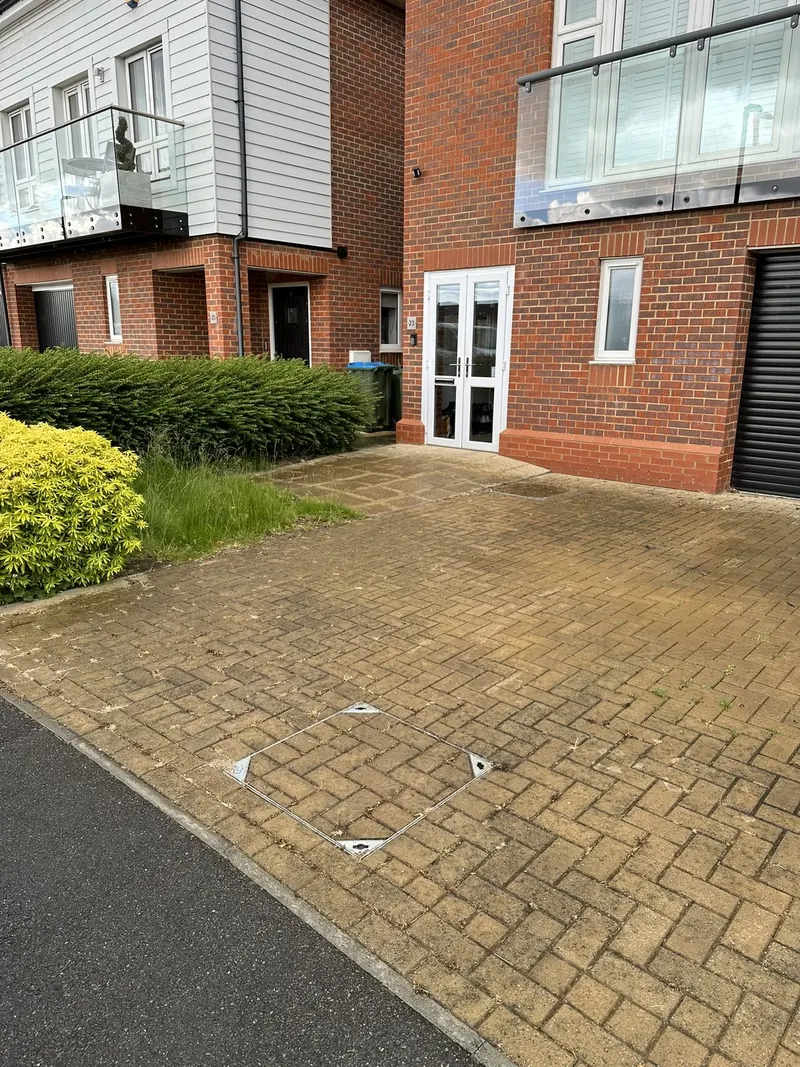
The GOV.UK business drainage guidance explains how to identify drain types and limits surface-water drains to clean water. Include any site drainage plan or mark known covers and channels when asking for the wash to be assessed.