Plan the wash around entrances and traffic
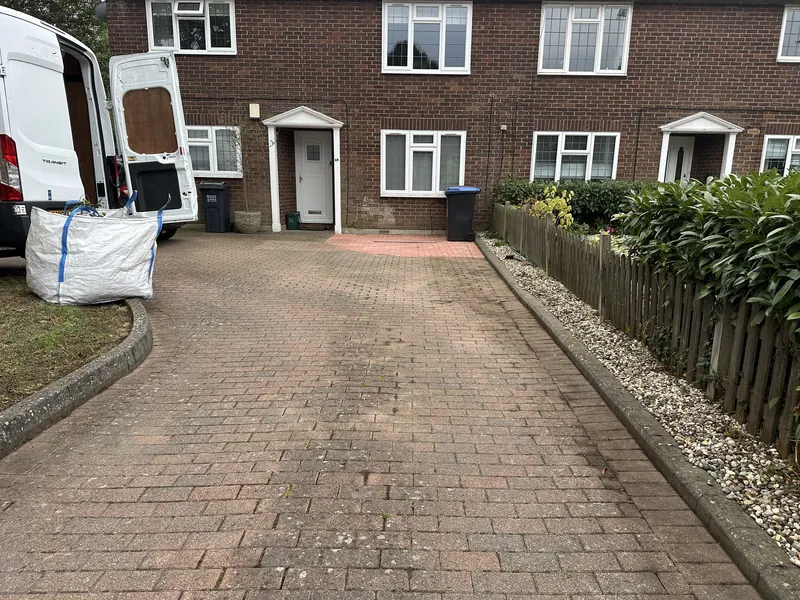
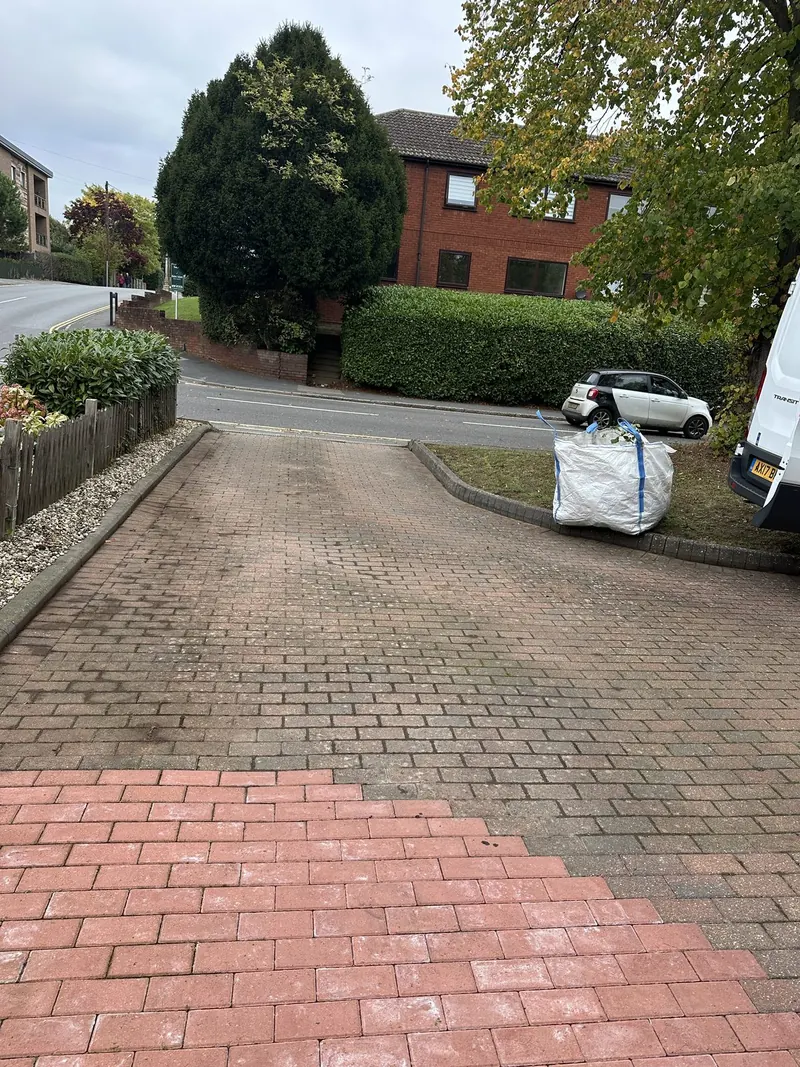
Label the surfaces by the people who use them. A delivery approach may need to stay open at a different time from the main entrance. Mark which doors, crossing points and bays should be included in the quote. Separate block paving, concrete and any coated areas in the photographs. If a route joins two surfaces, show the transition and note loose edges, prior repairs or markings that already look worn.
Before agreeing a work window, show where equipment can connect and how it can reach the furthest area. Identify a tap and socket that will be available at the agreed time. If access changes after closing, tell us who can provide it. Include any planned deliveries or people who need to pass through the area. The work can then be assessed as a series of zones with a suitable order, rather than assuming the whole site is empty.
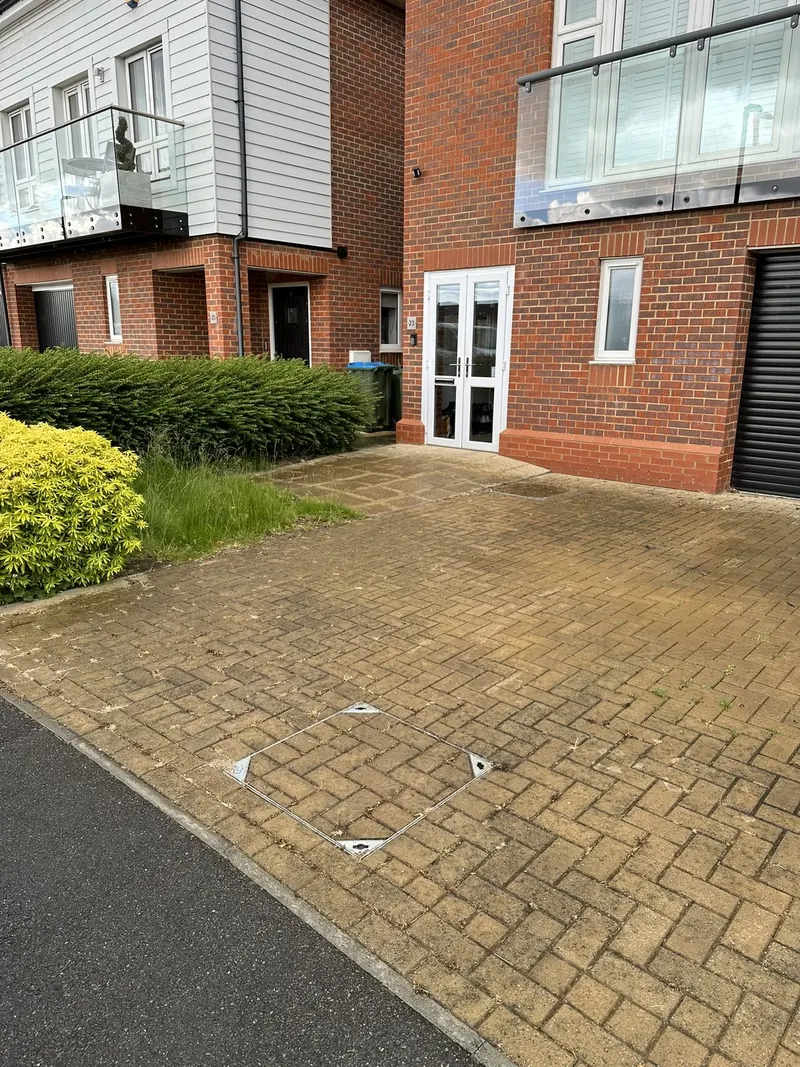
Identify drainage before choosing how to wash. Show where water tends to gather and any known channels or drain covers. If the type of drain is unknown, say so. Where a surface condition or drainage issue needs a separate assessment, identify it in the scope before booking. Ask for the written quote to show which routes and bays are included and when they can be made available.
A closing or opening time is only part of an access window. Include the time when parked vehicles can be moved and when the next deliveries are expected. Point out routes used by people arriving on foot so the assessment can consider the order in which areas should be washed. For each section, show any bollards, kerbs and boundaries where it meets a different surface. Ask that the quotation name the areas and the condition issues discussed before booking. If a tap or socket is inside a locked part of the building, tell us who can give access outside normal hours.
Check the surface and the drainage route
The GOV.UK pollution prevention for businesses explains the difference between drain types and says only clean water should enter a surface water drain. Identify the drainage route and agree how the cleaning will be managed before the visit. Show loose joints, previous coatings and markings so treatment can be assessed for each surface.