Artificial grass and small patios
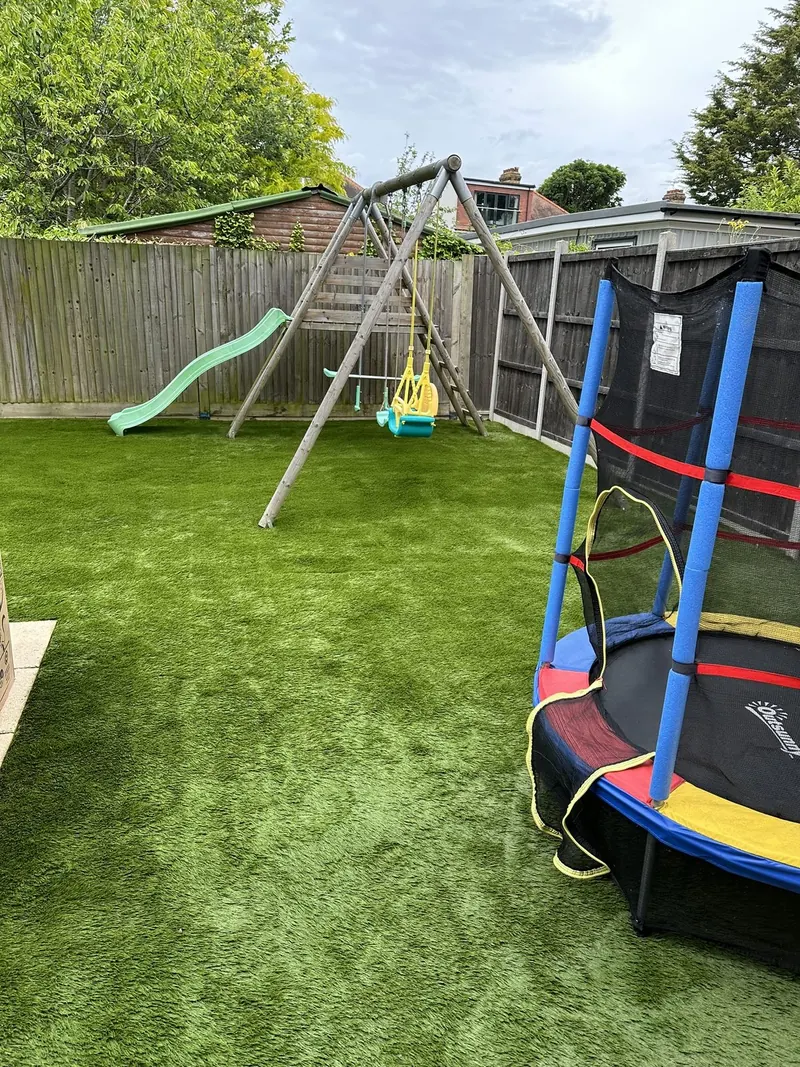
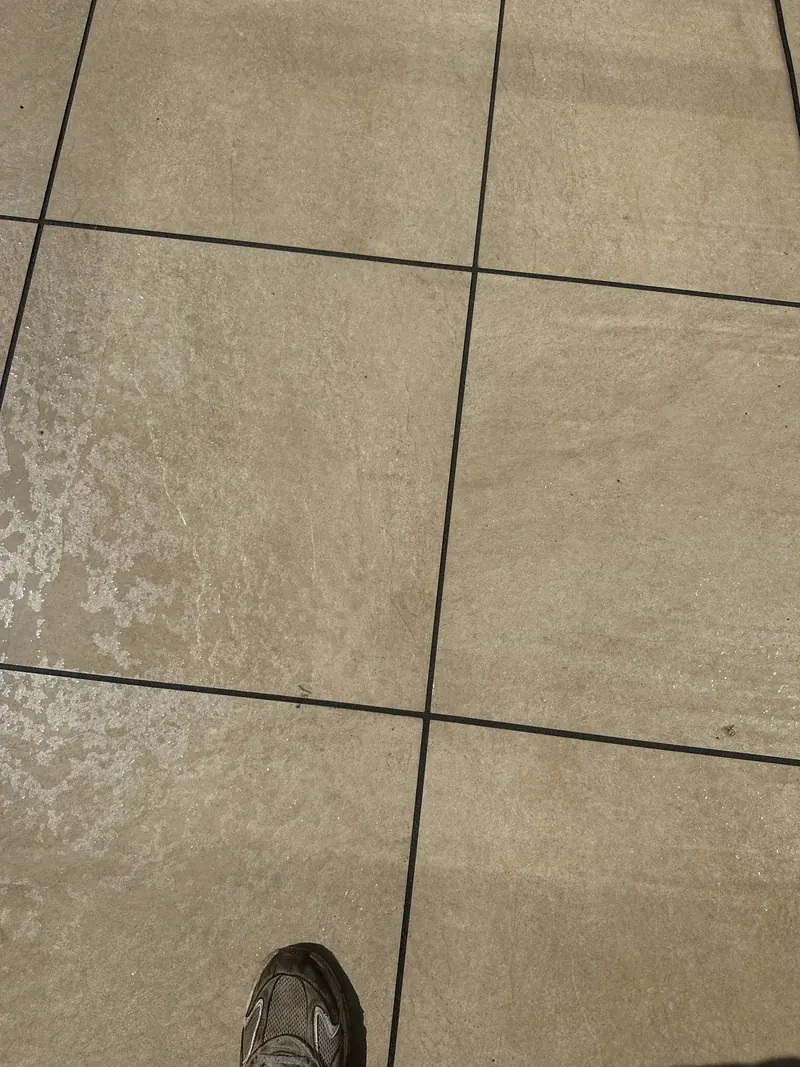
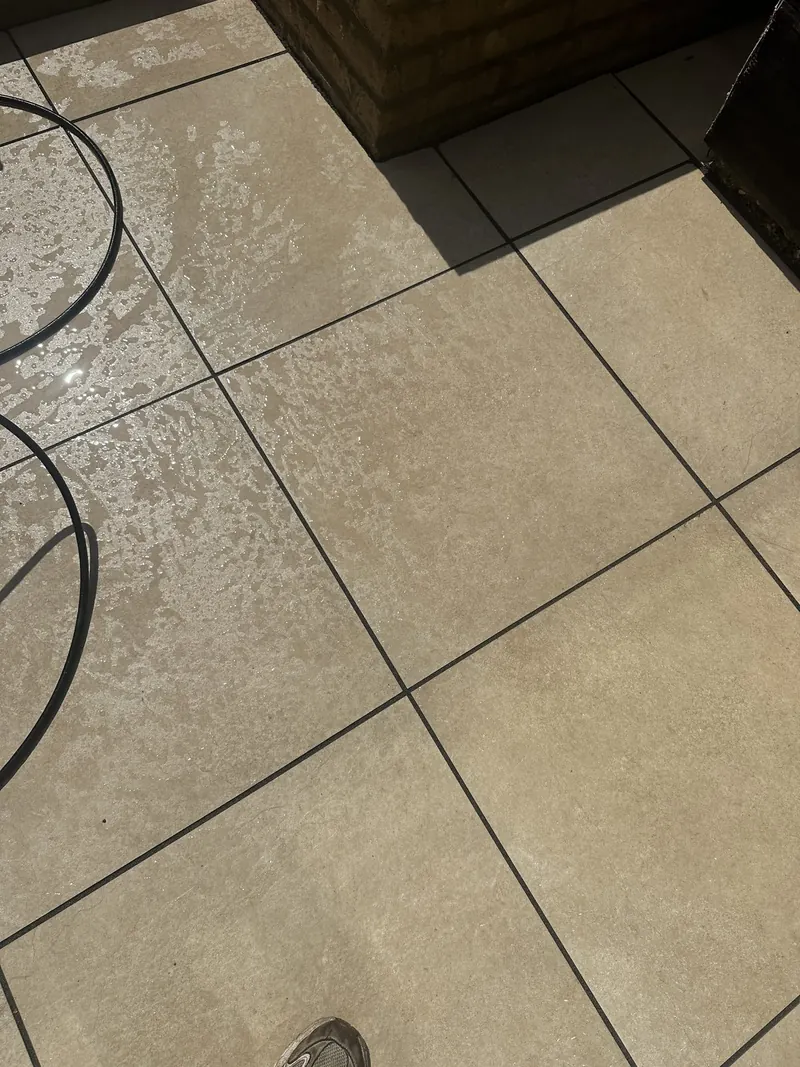
A small garden is easier to describe when every surface is named. Show the full turf edge against the paving, then identify the places where leaves or dirt collect. Point out any lifted corner and show where pots or fixed items affect reach. Include a close photo of the patio where the slabs and joints meet the grass.
When the two areas need attention together, decide what must stay usable first. If the patio is the only route to the lawn, send a photo of that route from both sides. Check that the quotation distinguishes the turf method from the slab work and identifies whether debris will be gathered at the site.
The border where turf meets slabs is often more useful to photograph than the centre of the plot. It can show a seam, edging strip or a corner where debris has gathered. Take one picture low enough to show whether the edge sits flat. Give the patio its own close view so the condition of the joints can be seen separately. If one area is already damaged, show where it lies in the larger picture before asking for a clean.
For a small garden, plan around where people and objects can move. A set of chairs might be moved off the patio while the turf is assessed, or it may need to stay in place. Include the route through the gate and show whether it crosses either area to be cleaned. Ask for a clear line between the two tasks. That lets you confirm which slabs are included and which parts of the turf have been assessed, without extending a small job to unrelated surfaces.
For turf product details, see the artificial grass care guide. Show the slab material separately so the approach to the paving can be agreed on its own.