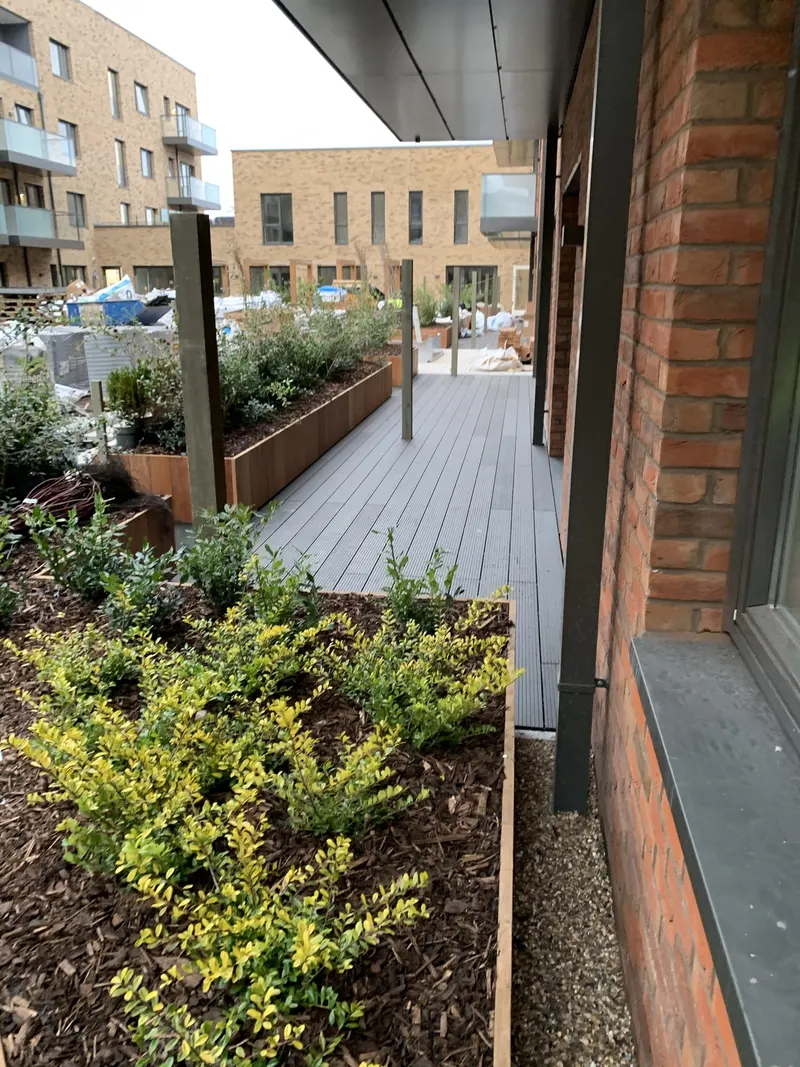
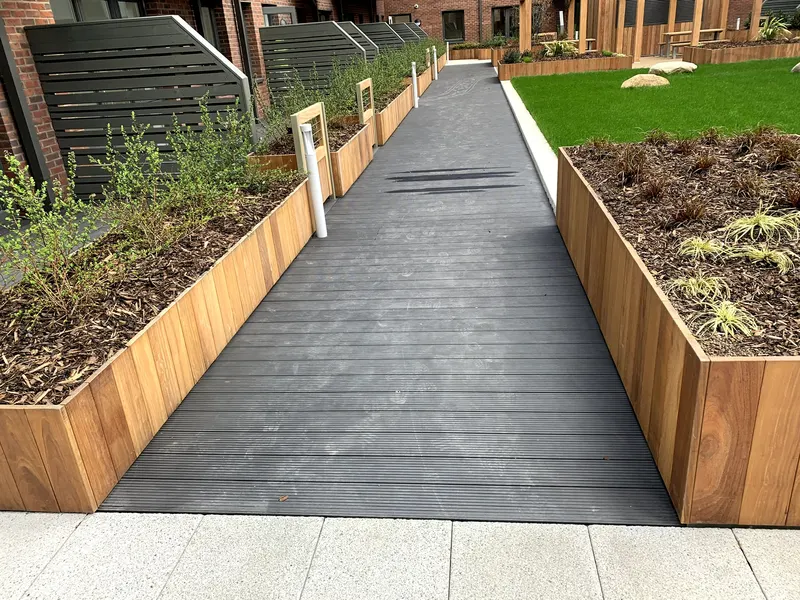
Decking and timber surfaces
A board end can reveal a gap, exposed fixing or earlier repair that a wide photo misses. Check the parts beside steps and thresholds, where people need grip. If the deck extends around a corner, take a separate picture of the return and mark where the clean should end. Name any furniture that cannot be moved. A view of the route from the deck to the door helps agree how the area will be used while the boards dry.
Give us one picture of the board texture and another of any raised or worn part. Mark two finishes separately if the deck has been patched. Ask the quotation to identify the deck and any steps that can be treated, and to leave any loose sections outside the scope until they have been assessed.
Make the board layout visible before asking for an estimate. A picture looking along the grain or grooves helps show where the boards end and whether another surface crosses them. A second photo from the step shows the section most people cross. If the deck has been patched, show the newer section beside the older material. A deck that looks like one continuous surface from the house may have different care requirements in those places. Put their labels in the same order in the enquiry and on your photographs.
Explain what a useful finish would be for the route. If the problem is at the doorway, the request may be narrower than washing the full deck. If the area is mainly used for seating, give its perimeter and say which pieces of furniture must stay. An estimate can identify the reachable board area and any step that needs its own check. If a board shifts, leave it where it is and show the affected end. Agree the treatment and the access plan together, including the part that needs to remain out of use while drying.
The RHS hard-surface growth guide explains that algae and similar growth can make decking slippery. Show where you notice this, especially at steps. Tell us how access should work while the deck dries.