Put a finish on a short catch-up list
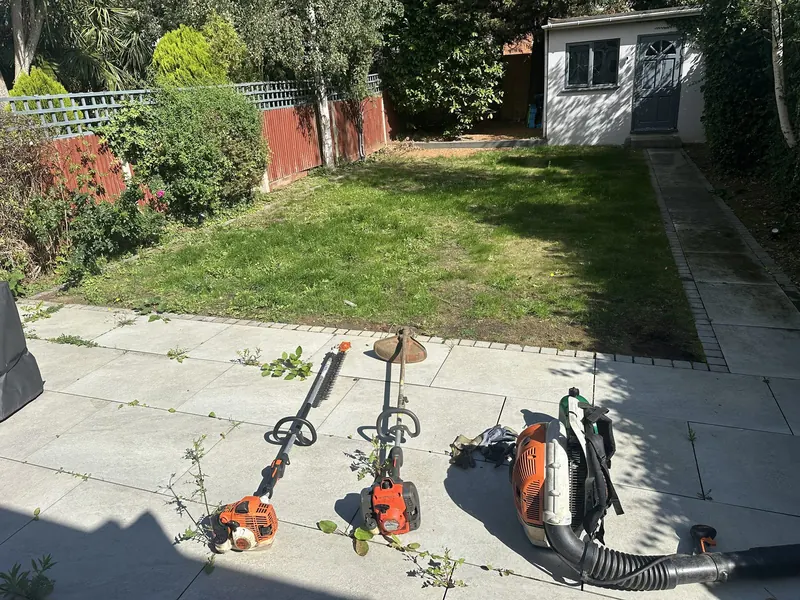
Make the visit useful by giving it one clear priority. For a garden you want to sit in, that may be the route from the back door to the table and the grass beside it. For a property handover, it might be the path and the first bed visitors see. Add the other tasks in order so work does not begin with something that could easily wait.
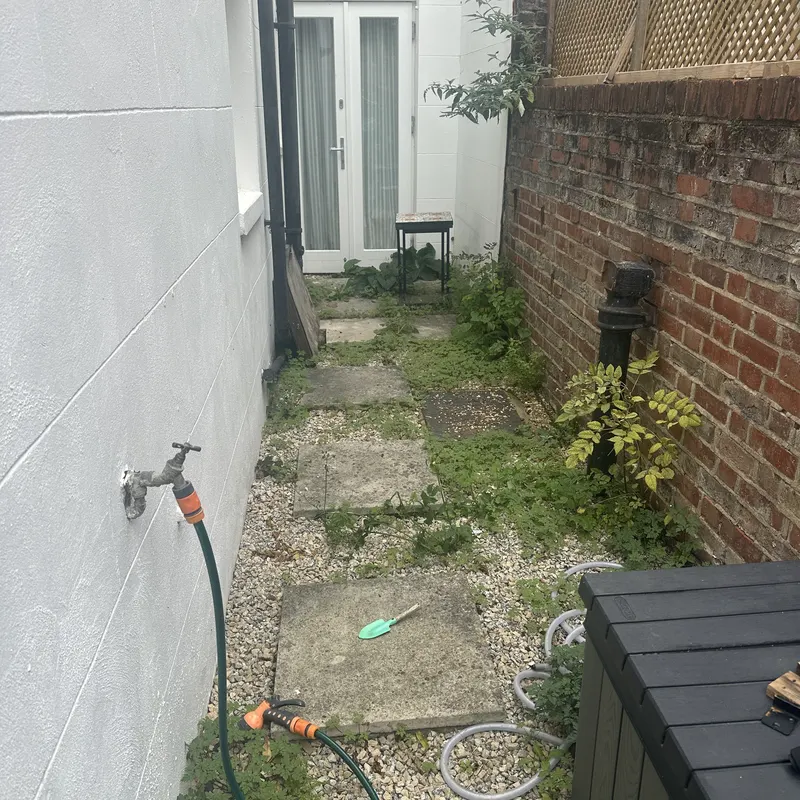
Write separate instructions for the lawn, paths and beds. A request to cut back an overhang should identify the plant and the room needed below it. Show where ordinary weeding is wanted and where recently planted growth should be left. If there is a separate larger job, send its photos too and ask for it to be assessed apart from the tidy-up.
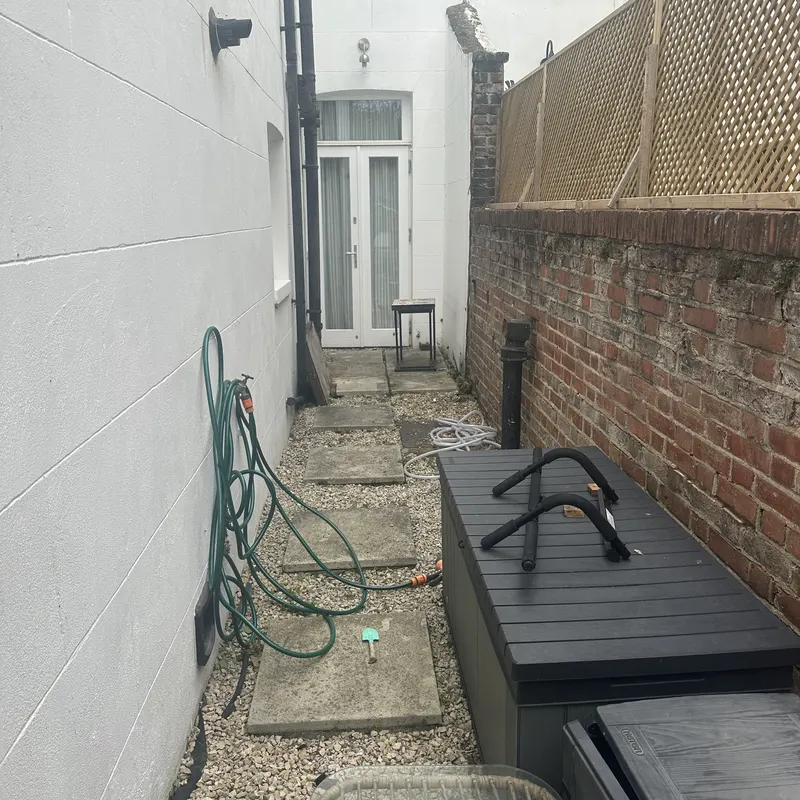
Give access instructions while there is time to agree them. Put away loose objects if you can and show anything that should stay. If a gate opens only from the inside, say who can open it. If there is a collection request, identify the waste and its route separately from the work that generates it.
A tidy-up is a useful first visit when the working areas are already recognisable. When you cannot reach or identify the areas without cutting through heavy growth, clearance is a different starting point. Once access is recovered, it may be possible to put ordinary jobs back into a shorter repeat list.
If the visit is for a handover, take one set of photos before booking and keep it as the reference for the agreed areas. A clear record is especially useful when the person booking will not be there to point out the jobs.
Tidy-up or clearance?
| What you can see | Where to start |
|---|
| The lawn and beds can already be reached. | One-off garden tidy-up for an agreed catch-up list. |
| Growth conceals the path or makes an area inaccessible. | Garden clearance for access, cutting and staged work. |
| The same areas need routine attention. | Garden maintenance for an agreed repeat list. |