Decide what to take off and what to keep
Identify the main shape of the plant before talking about individual stems. A shrub arching naturally over a bed can need a selective cut at the path rather than a new shape across the whole plant. If a branch obscures a window, show the view from the window and from outside. That makes it easier to see whether the problem is one stem, a face or the overall spread.
For a mixed border, number the shrubs in a wide picture. Put each request against the number. You might want a defined outline on the first plant and just the growth across the paving taken from the second. Mark any low stems you want left alone. A view from behind, where accessible, can reveal overlaps that are hard to see from the path.
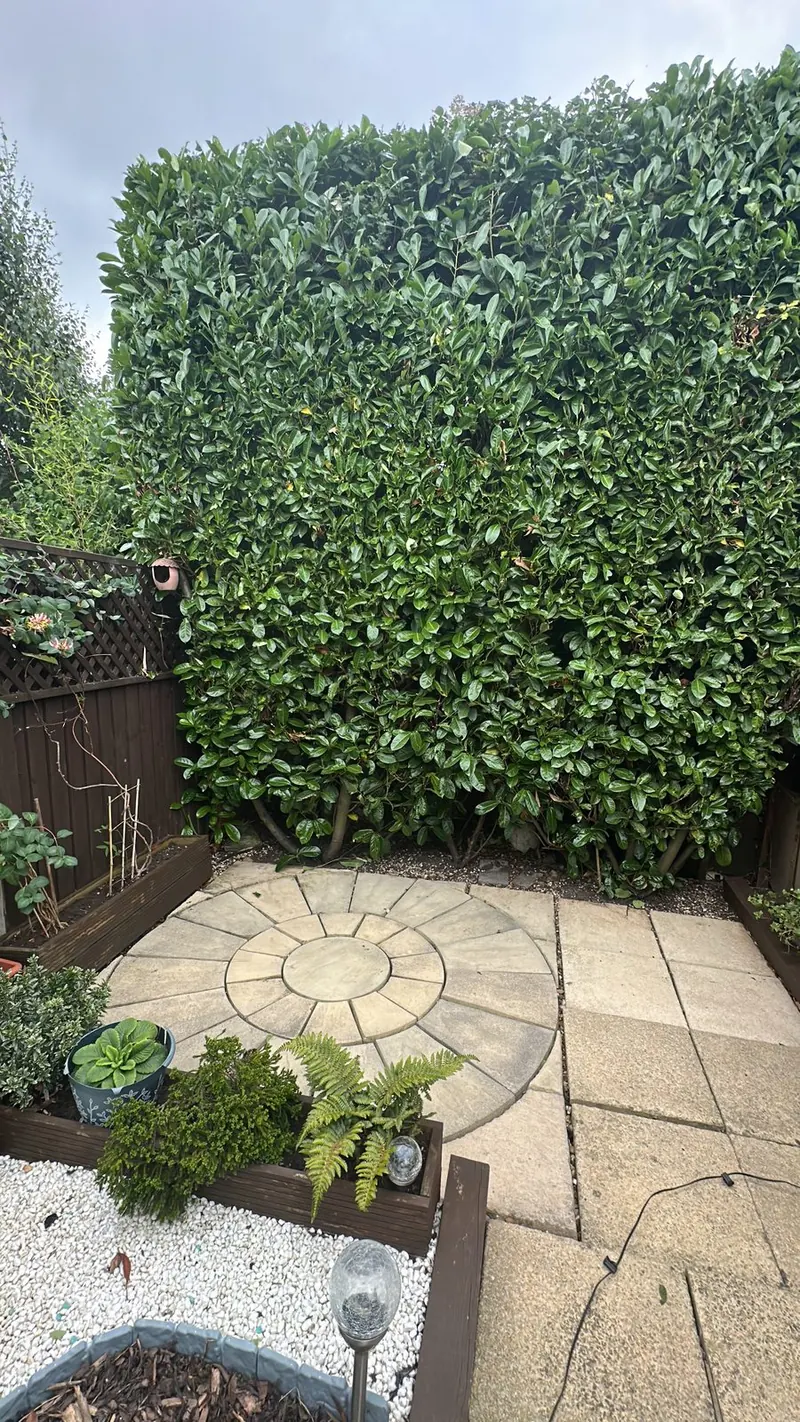
Treat flowering as part of the brief. If you want to keep a display, tell us when you saw flowers and whether the plant keeps its leaves. Identify it where possible before choosing a cut. The linked RHS notes distinguish early-flowering shrubs and evergreens because the right timing depends on the plant and how it grows.
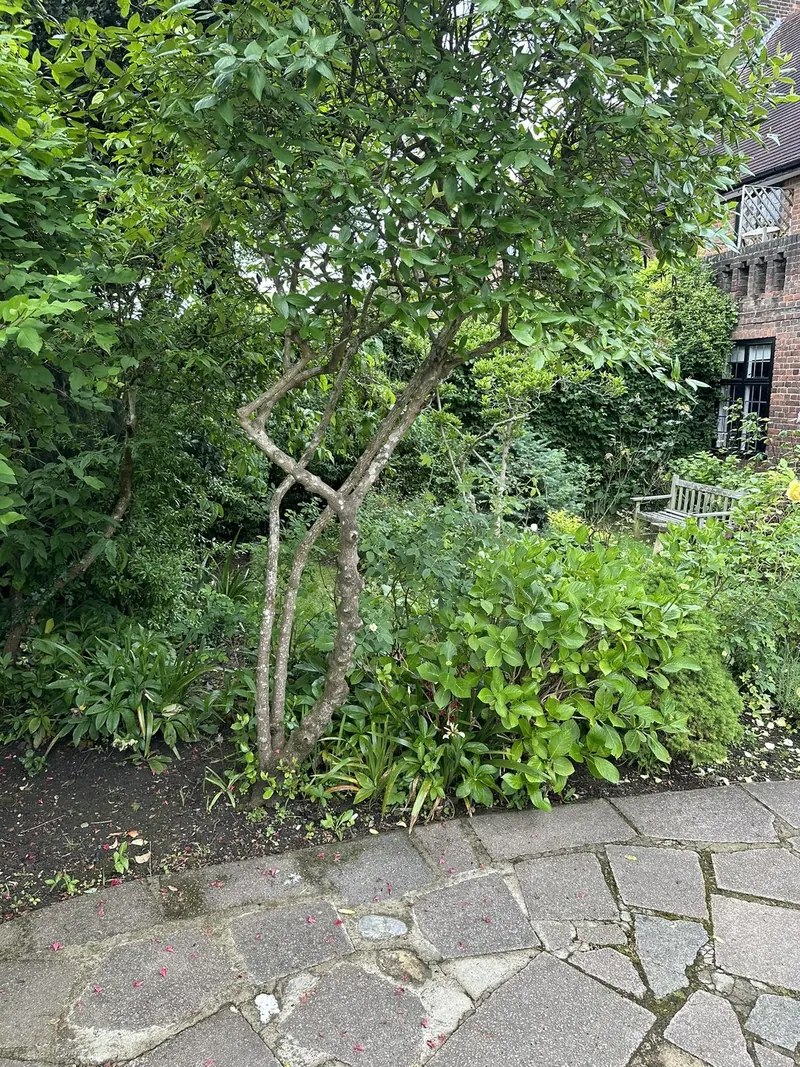
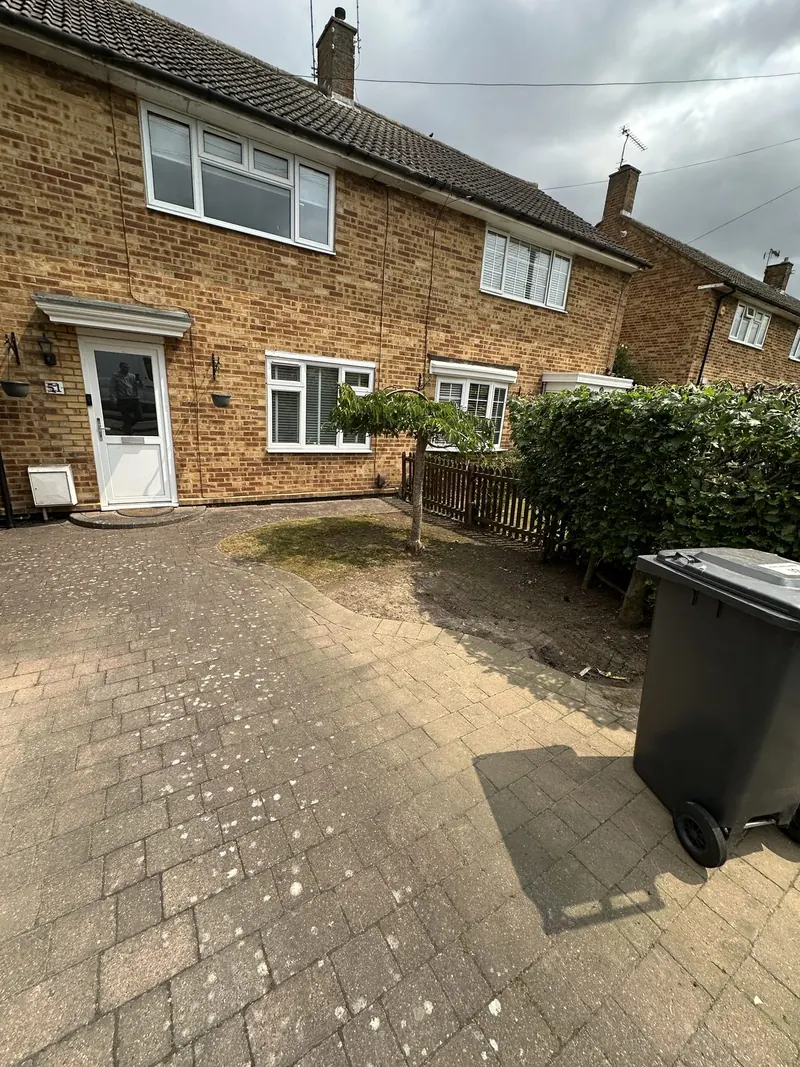
When the bed includes a tree, photograph it separately. Give a wide view that shows whether the branches of concern belong to the tree or the shrub. Use the pruning enquiry to describe the shrub itself. If you want the tree considered too, ask for that scope to be assessed separately from the border.
Timing for flowering and evergreen shrubs
Early-flowering shrubs often carry their flowers on the previous year’s growth. The RHS early-flowering shrub pruning guide places pruning after flowering for that group. For established evergreen shrubs that need pruning, the RHS evergreen shrub pruning guide gives mid to late spring as the usual starting point, with exceptions. Send the plant name if known and say whether the flowers are part of what you want to retain.