Household bulky waste and private collection
Make two lists if you are comparing collections. One should name the items that could be prepared in the place the council specifies. The other should identify what is still inside, too awkward to move or part of a larger load. Check the accepted items for the route you choose. A private quotation should identify the actual starting point rather than treating everything as already outside.
Give each awkward item a measurement where possible and show the turns between it and the exit. Identify anything that should stay in the room. If another person is giving access, make sure the collection list can be read against the photographs and that the person authorising removal is known.
Use a photo of the collection starting point rather than a list of the items alone. A large piece close to the final exit has a different route from a similar piece upstairs. Give the width of any tight turn and show what must stay beside the route. If you plan to use a council collection, check the council’s own item and presentation guidance for the address. Keep that enquiry separate from a private quote for handling and access inside a property.
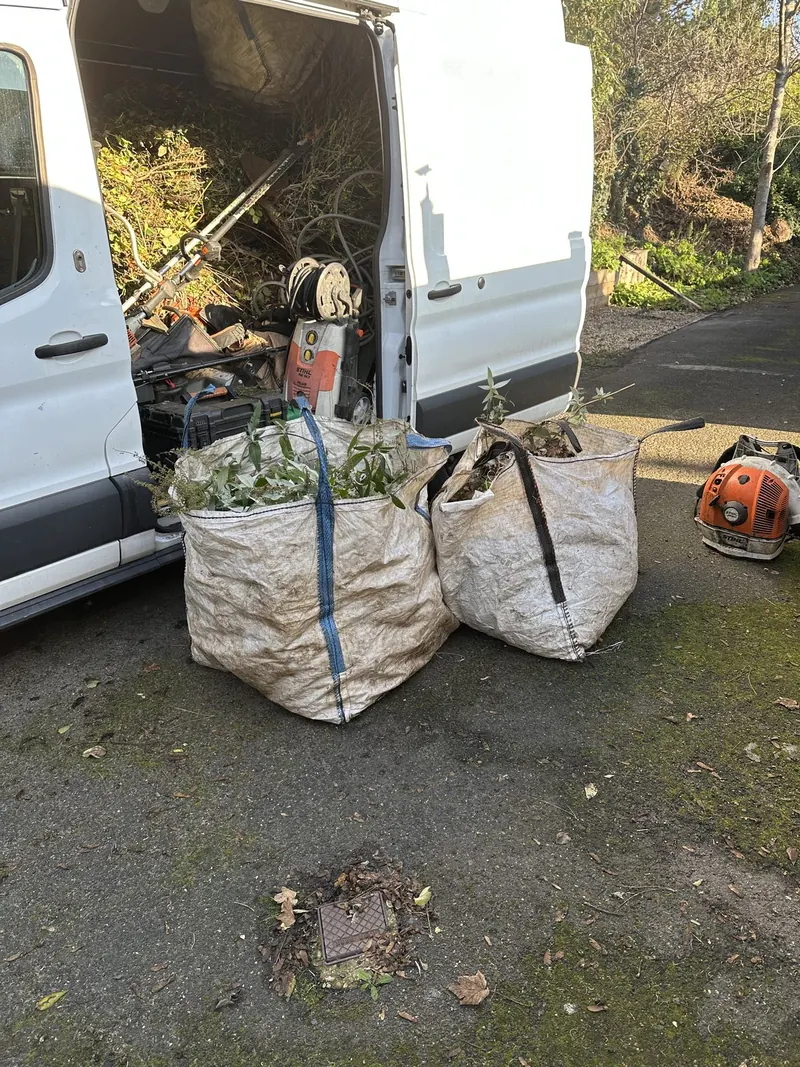
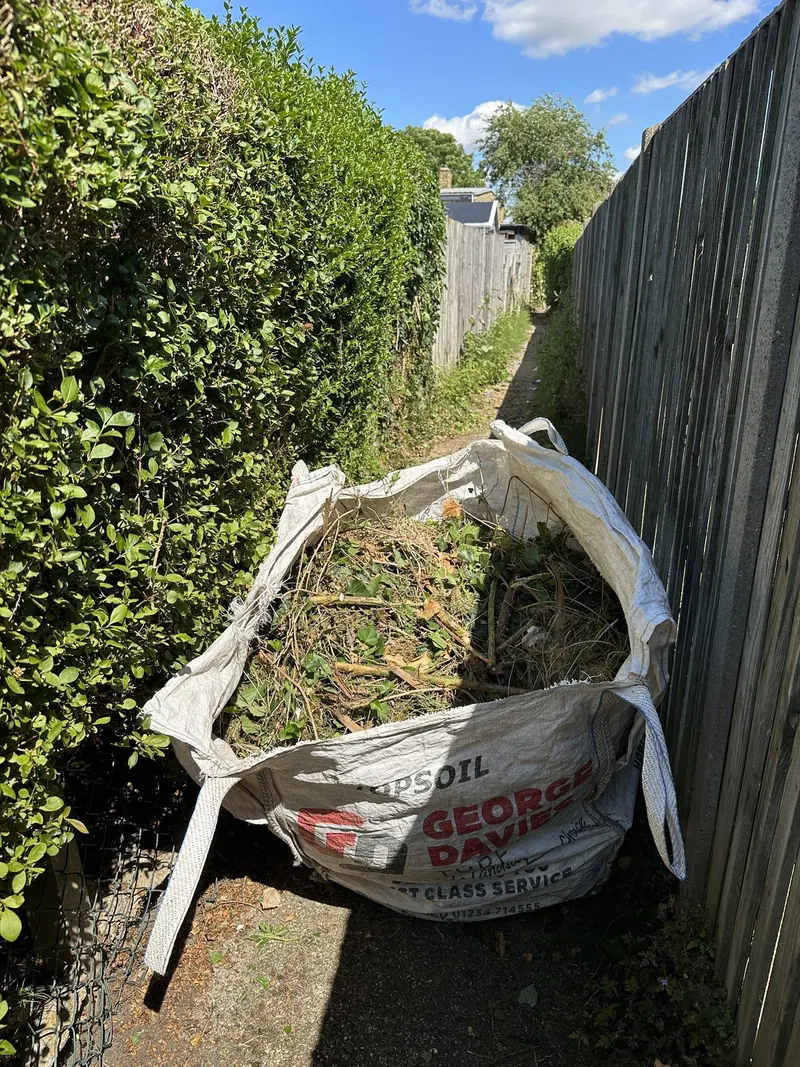
The agreed list should still be usable when somebody else opens the gate. Put a label against items that look alike, and tell the person providing access which are to remain. If garden cuttings are included, photograph them separately from household material. The written quotation can identify the accepted load and carry route, and the collection record can refer to what was actually agreed. Tell us if anything changes before the collection is scheduled.
For a council collection, check Barnet Council’s current bulky household waste guidance for your items and address. For a private quote, show the agreed starting point and the carry route. The GOV.UK waste duty of care code explains the steps householders should take to use an authorised person. Check CBDU671401 in the Environment Agency register.