Summer mowing in dry conditions
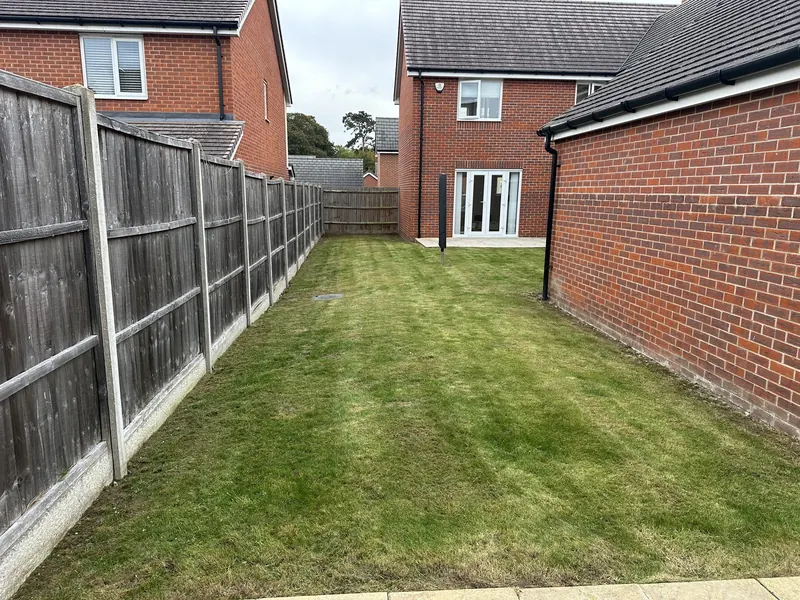
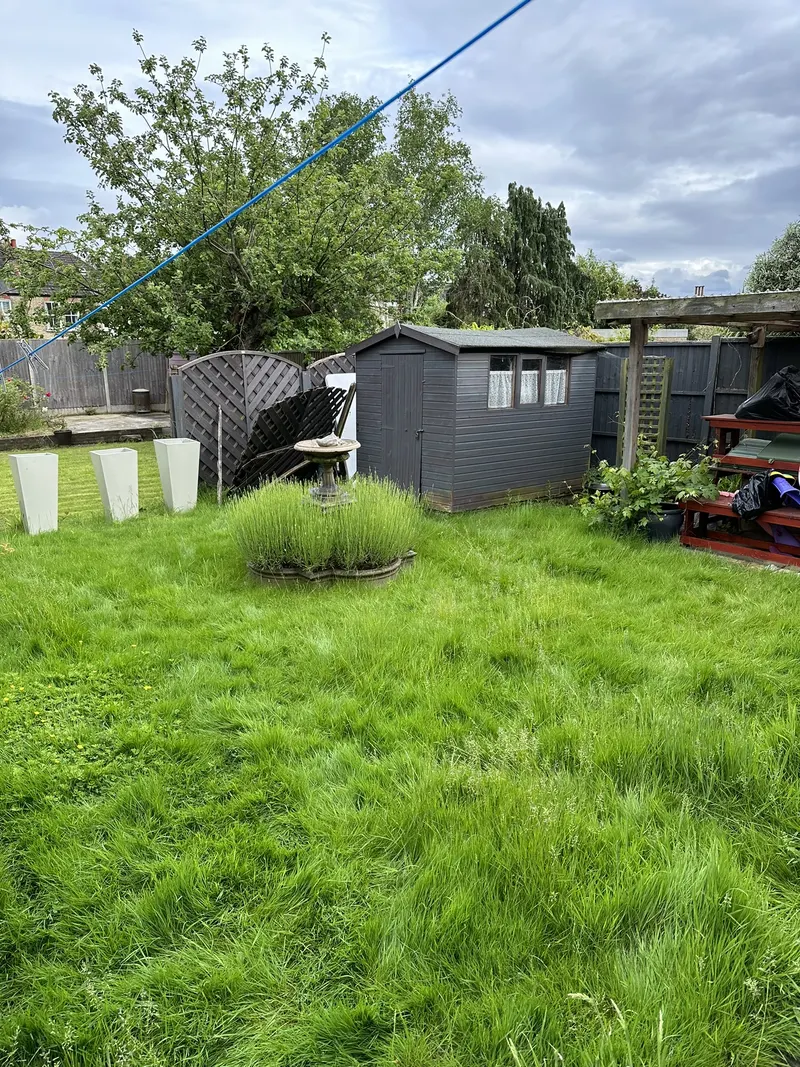
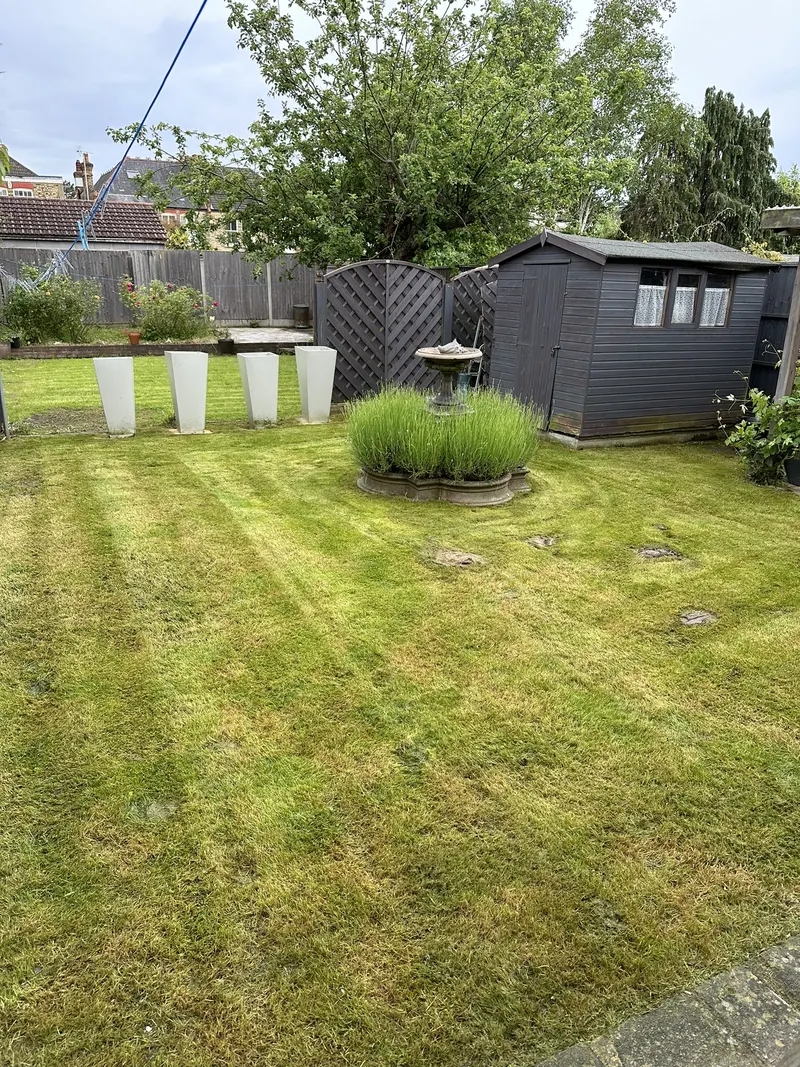
Put the exposed lawn and any longer margin in separate photos. If a piece of grass beside a path is the area you need most, give it its own finish and stopping point. Show where the ground differs across the lawn and explain whether a repeat visit should include all of it. The result can be a practical pattern rather than a fixed interval regardless of growth.
A note made before a repeat visit can explain what has changed. Include whether furniture has moved or the working entrance is different. If the lawn is already short in one area, identify where you want attention instead. Agree how the edges and cuttings should be left.
A summer visit can be scoped by what you want to use. Mark the patch where people sit and the route across it, then show any grass beside planting that you want left longer. Include a low picture of the exposed area, particularly if its condition looks different from grass closer to the house. Avoid assuming that the entire lawn needs the same attention. Use the mowing guide above to decide what to show about growth and the ground.
If you are planning repeated visits, decide which edge should stay defined even if the main cut changes. Point out any steps or corners that take a separate approach and agree the clipping destination before the first visit. Tell us if the space needs to remain available at a particular time or if seating can be moved only on some days. When the next visit is considered, send an updated view if the condition has changed. That gives us a basis for discussing a suitable cut and the agreed hours.
For June to August, use the RHS advice on summer mowing. It recommends reducing the frequency during drought and avoiding cutting wet grass. Tell us which patch you use most and which looks stressed.