Separate a rough cut from a lawn finish
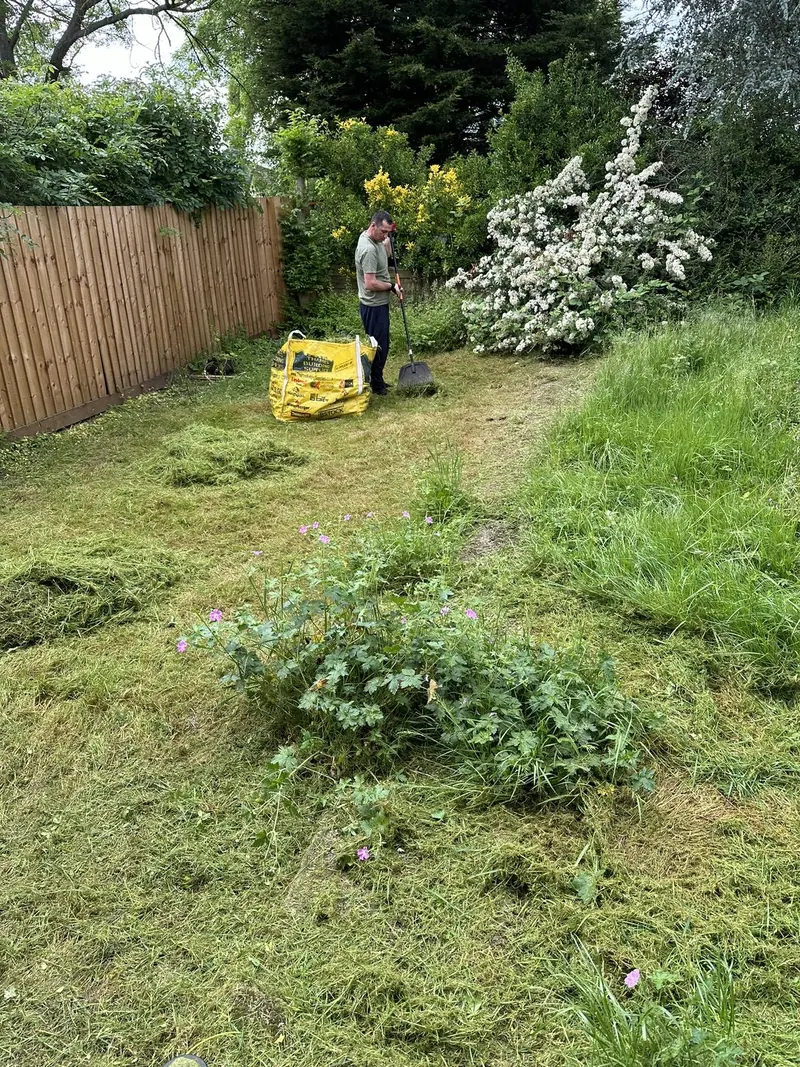
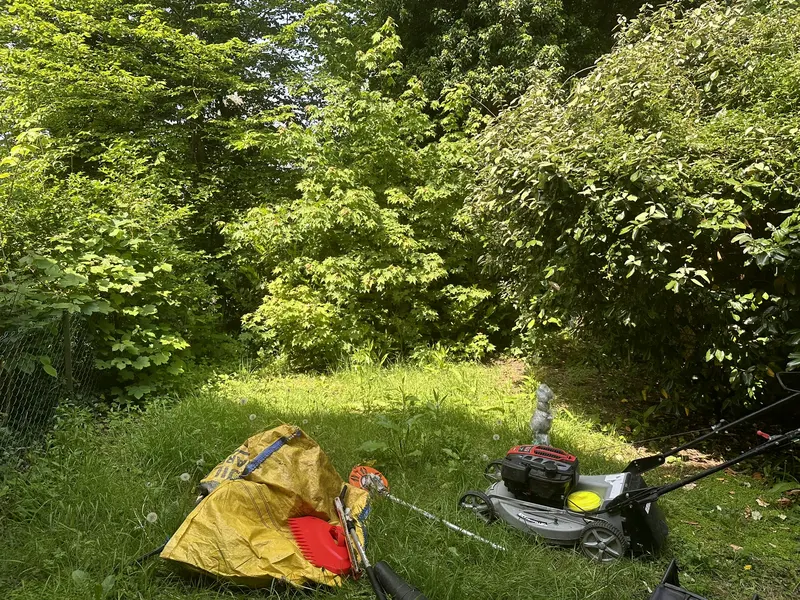
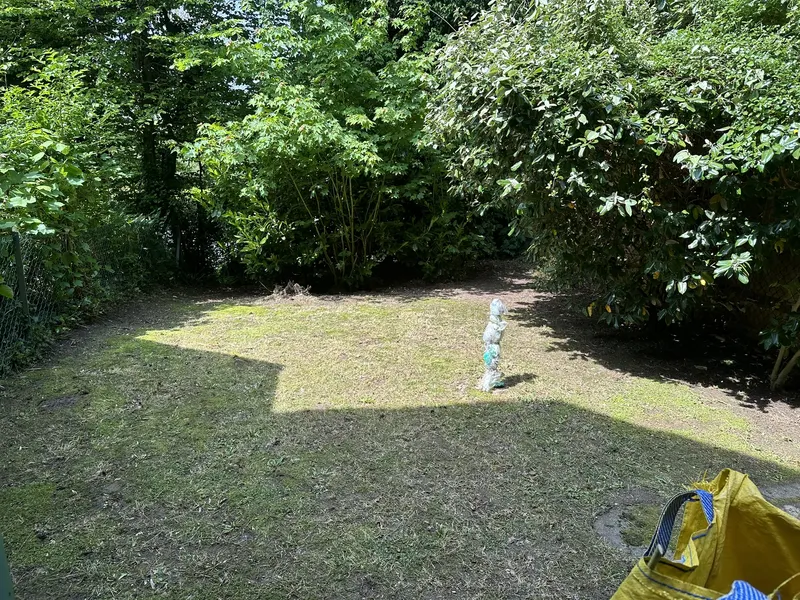
Give each rough section a name that will still make sense after the grass is shorter. For example, a patch beyond the gate may be separate from the narrow strip next to a path. Draw any boundary that disappears into the growth. If you want the main lawn left alone, mark the transition in the wide photograph. A shared edge should have a clear instruction from the start.
The shape of the ground affects what can be reached. A dip, loose stones and a broken border can all be hidden by tall grass. Photograph the edges from a low angle where safe, describe anything you already know is under the growth and say if another approach is available. Mark a drainage cover, low fitting or wire you can see. There is no need to enter an area with poor visibility to get a closer picture.
Tell us what you intend to do with the ground afterwards. Opening a strip so a fence can be inspected needs a defined route. Cutting a broad patch back for access needs a visible stopping point around each edge. A finished lawn, a renewed border or the removal of buried debris are different outcomes to discuss separately.
Show where the material can be raked and gathered. Give the dimensions of a gate if a wide area narrows to one exit. A separate photo of existing waste makes it easier to keep its assessment apart from the clippings produced by this visit.
Agree what the cut should leave accessible
Use a gate, edge or existing path to define the working area. Show the surface from the side where it meets paving. A rough cut is one way to recover a section without specifying a lawn finish. Compare Lawn mowing for established grass and Garden clearance if other growth also needs clearing.