What is included in hedge trimming
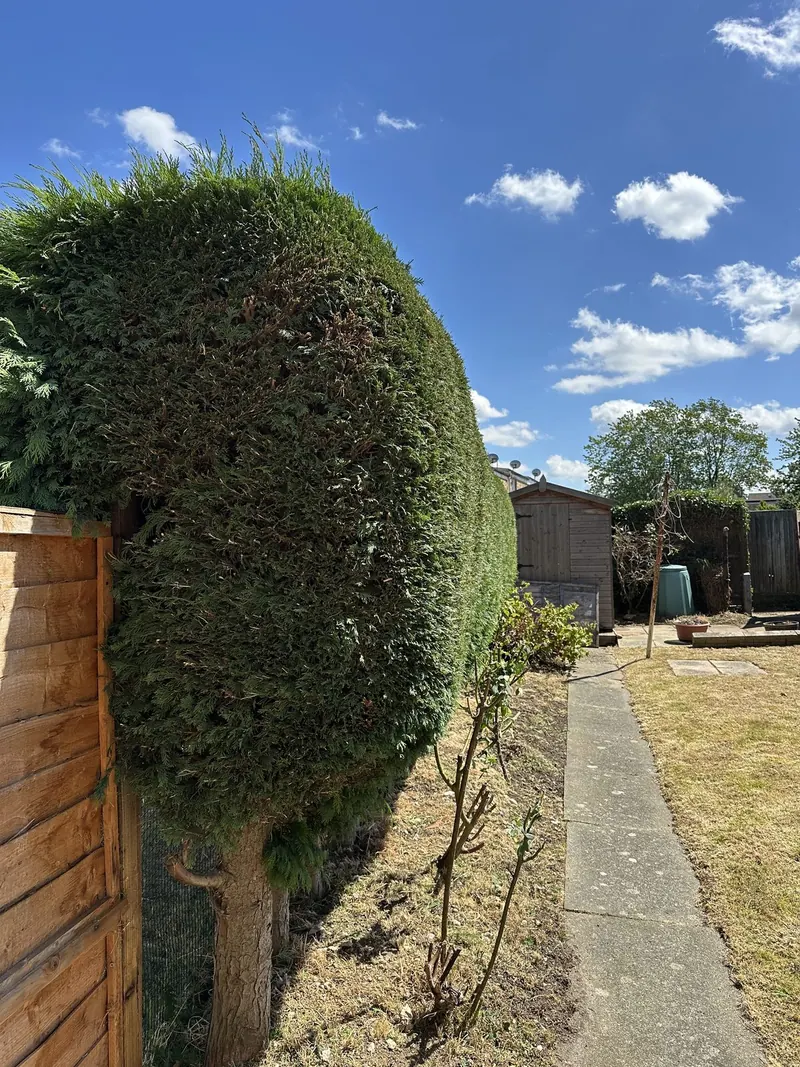
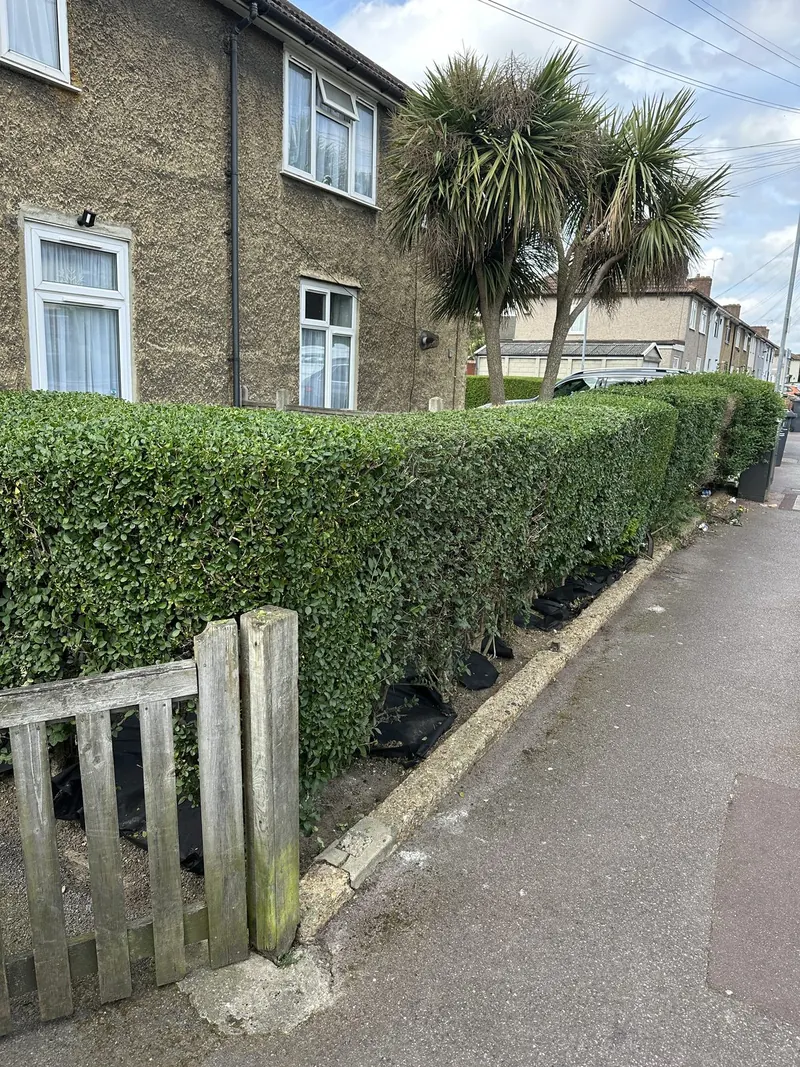
A hedge along a path may only need its face brought back, while one that has grown out of shape can need a different discussion about its top and ends. Tell us which profile you want and identify plants growing through it that should stay. If you can only reach one face, explain why before asking for a trim on both sides.
- Trim and shape the accessible growth agreed for the hedge.
- Discuss height, line and side access before cutting.
- Gather clippings and sweep paths affected by the work.
What is not included
- Removing an entire hedge or repairing a boundary is a separate request.
- Larger tree work and any job needing climbing are outside this brief.
- Green-waste collection must be agreed separately.
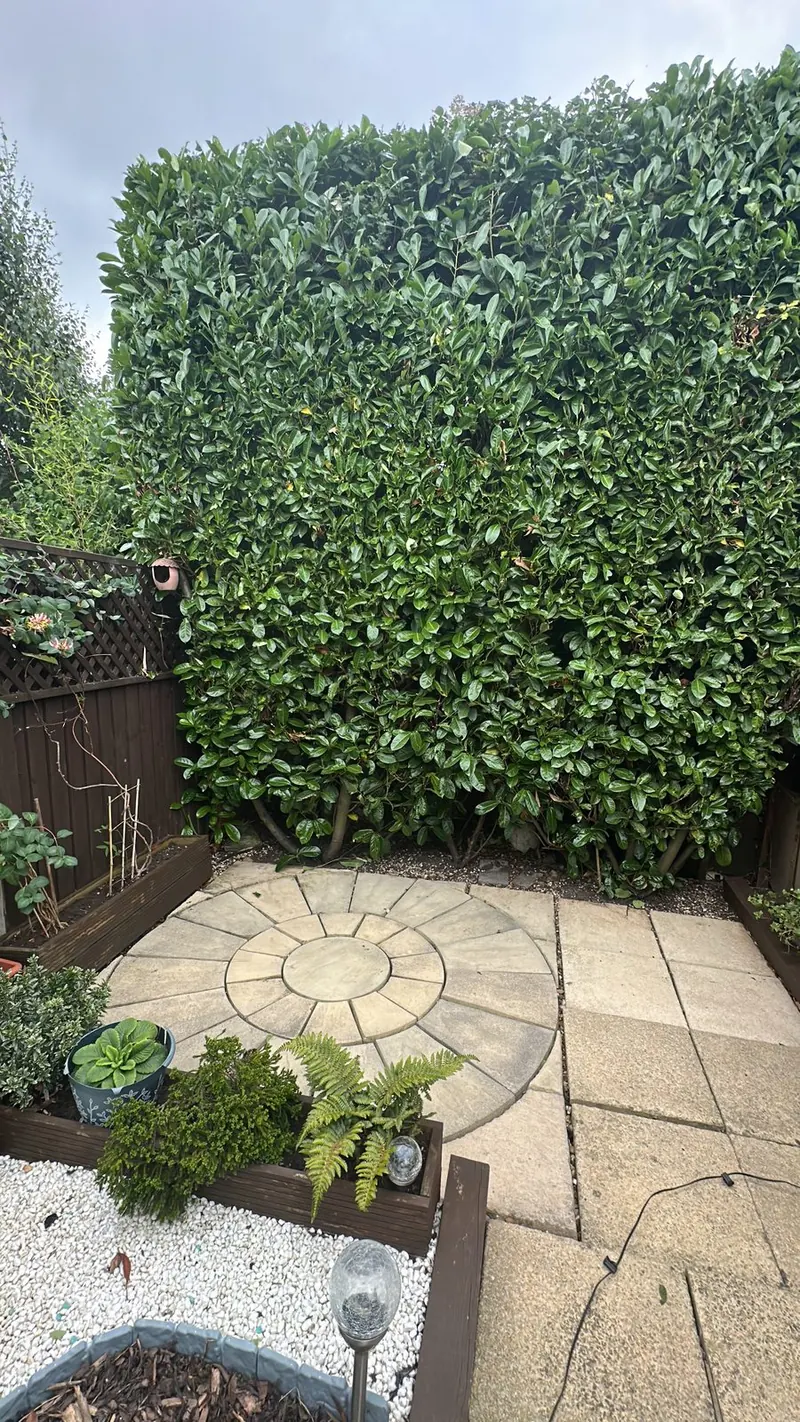
One photo of the top will rarely show the full profile. Step back far enough to include the foot of the hedge and any adjoining wall or fence. Point out sections with sparse growth if you want to discuss how lightly they should be trimmed.
Mark where the top line changes height, such as beside a gate or above a wall. If you want the shape kept, send a clear end view so its profile is visible. For an overgrown hedge, show any supports or wire in the branches that can be seen from the outside. Include a photo of the narrowest working point if one face borders a path. Tell us about any sign of nesting before work is arranged. The official guidance linked below explains the protection for wild birds and their nests. We can discuss what part of the planned trim can go ahead after assessment.