A regular mowing and edging routine
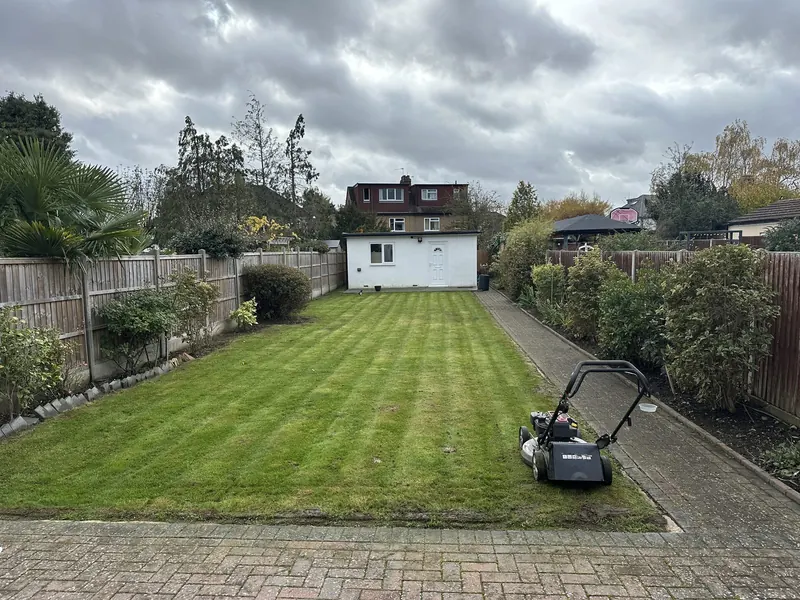
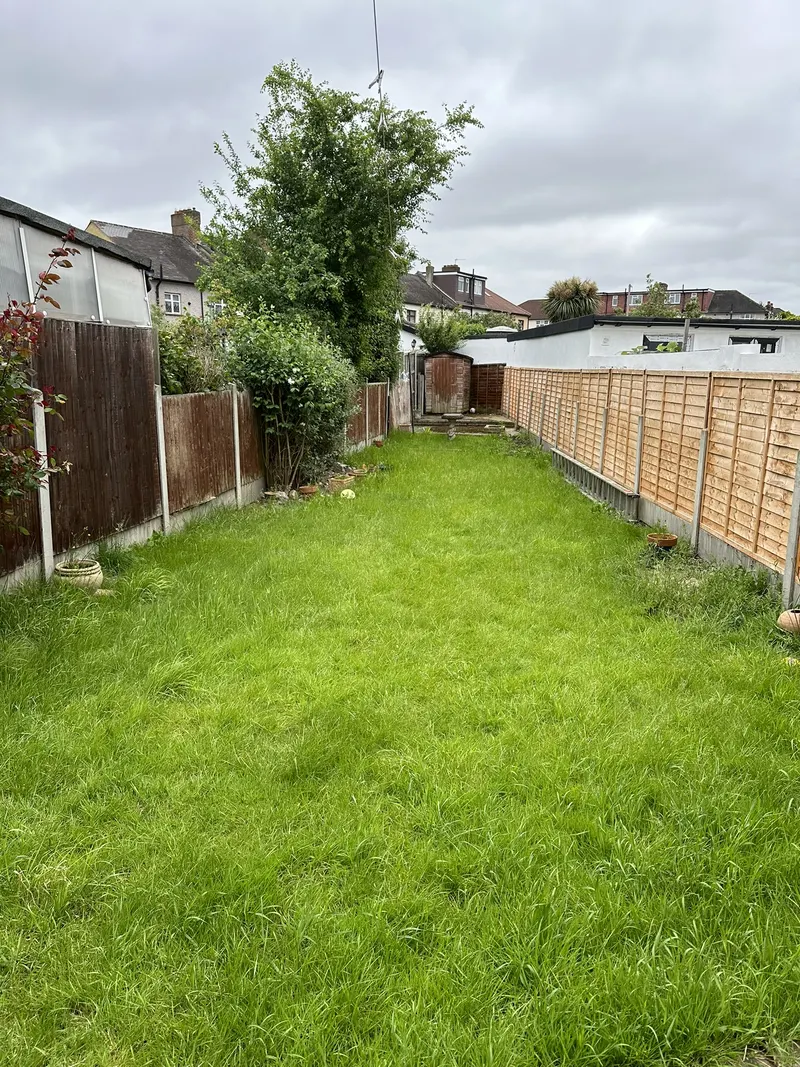
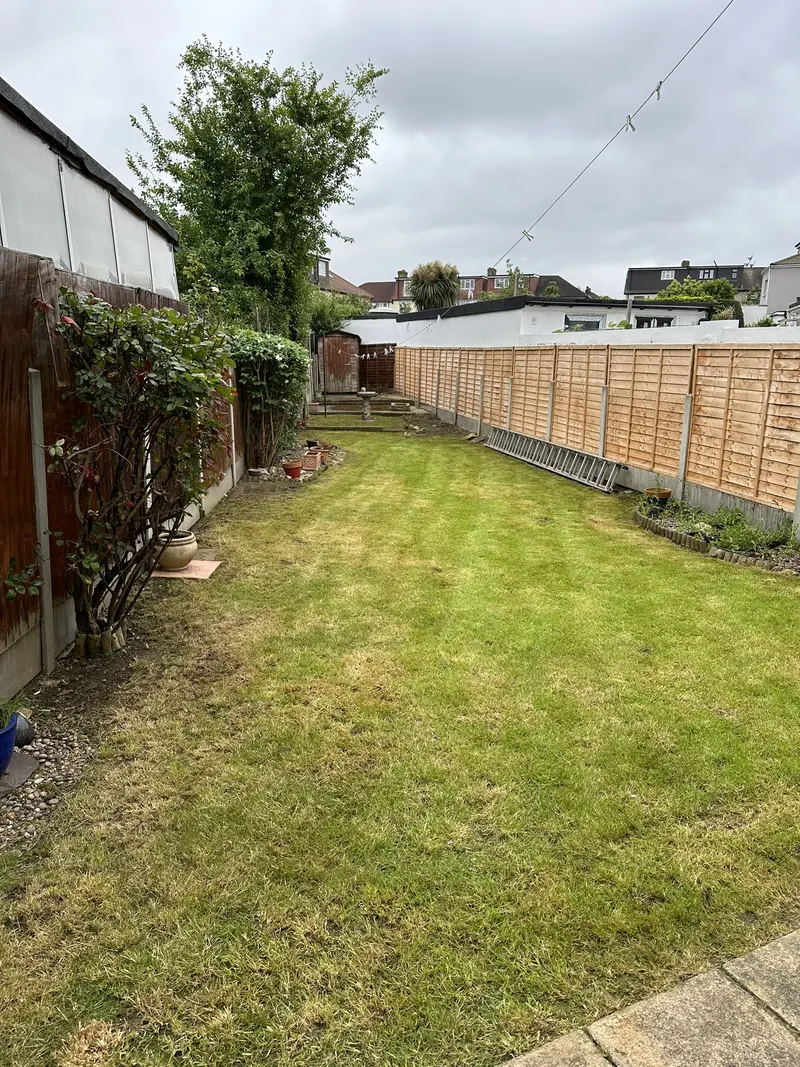
Treat the first routine visit as a chance to agree the layout. Name the main lawn, the edging along a bed and any strip that sits behind a second gate. Use the same names in later requests. If one corner is easy to miss, send a view from the direction the mower will approach. That helps make the stopping points clear.
Explain where the clippings can be gathered and which path should be swept. If something changes between visits, such as a planter or a gate that cannot be opened, update the approach details. A good repeat instruction identifies the work and the access each time without assuming every separate part of the garden should be included.
Choose an edge that can be described in a repeat instruction. A path edge, a shallow curve around a bed and the grass beside a fixed bench can each be identified in one wide picture and a separate close-up. Tell us if one of those areas should be kept longer. A stable set of labels makes it easier to discuss a change later without changing the rest of the work. Show where the mower enters and whether the same route will be open for every appointment.
Decide how the cuttings should be handled on a normal visit. If there is a place to gather them, show it and the route from the lawn. Identify any affected path you want swept. For an occasional extra strip, name it separately instead of assuming it is part of the repeat cut. If a new pot or border changes where work can stop, send a fresh photo so the scope can be reviewed before the next visit.
Ask for the regular lawn scope to name the edging you want kept. The garden maintenance page can help you describe a separate list if you also want beds or shrubs assessed.