Autumn and winter lawn checks
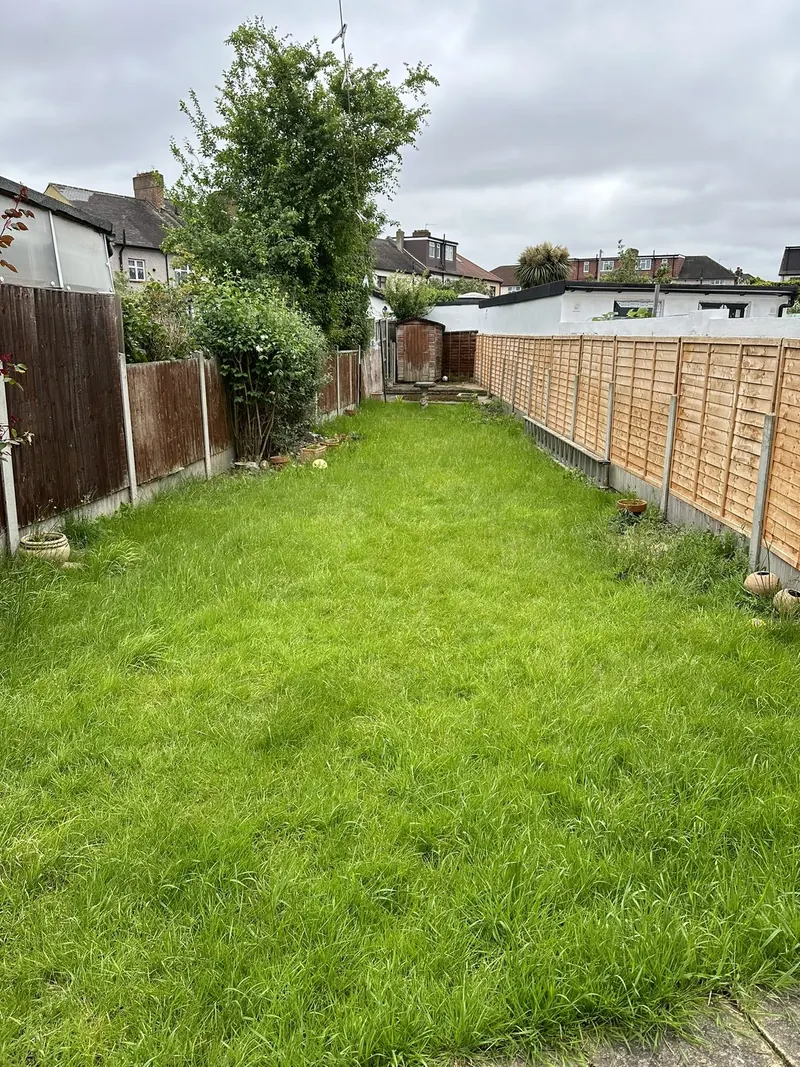
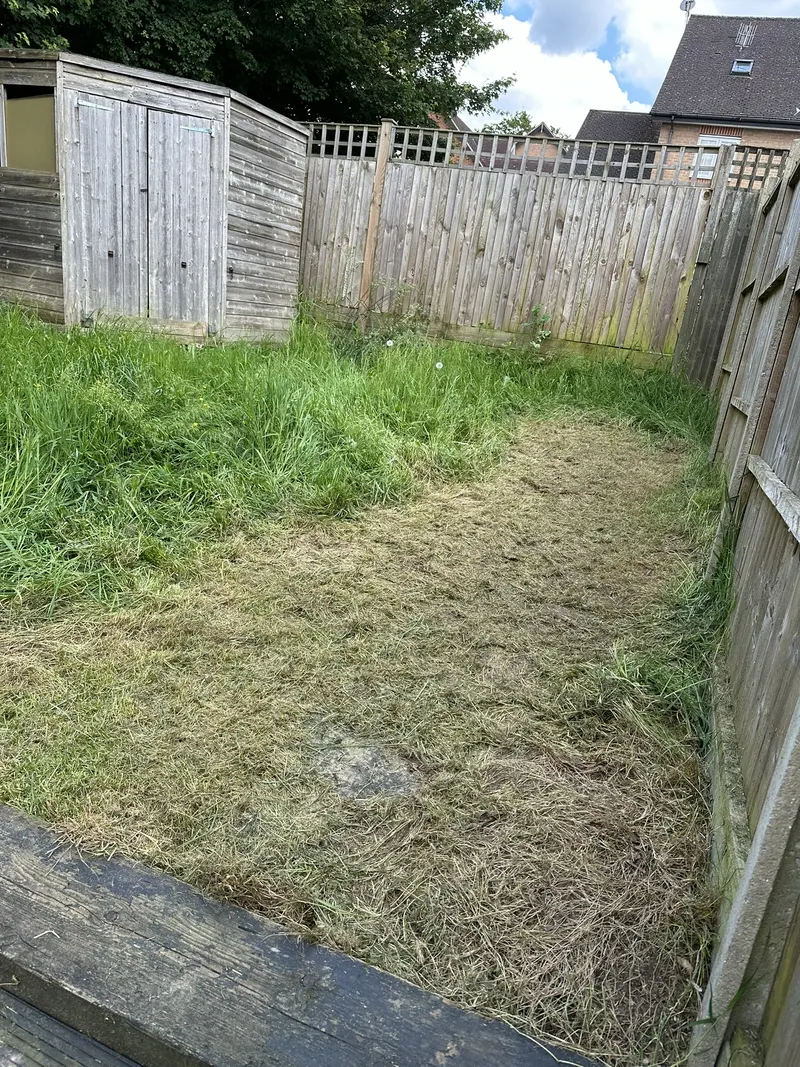
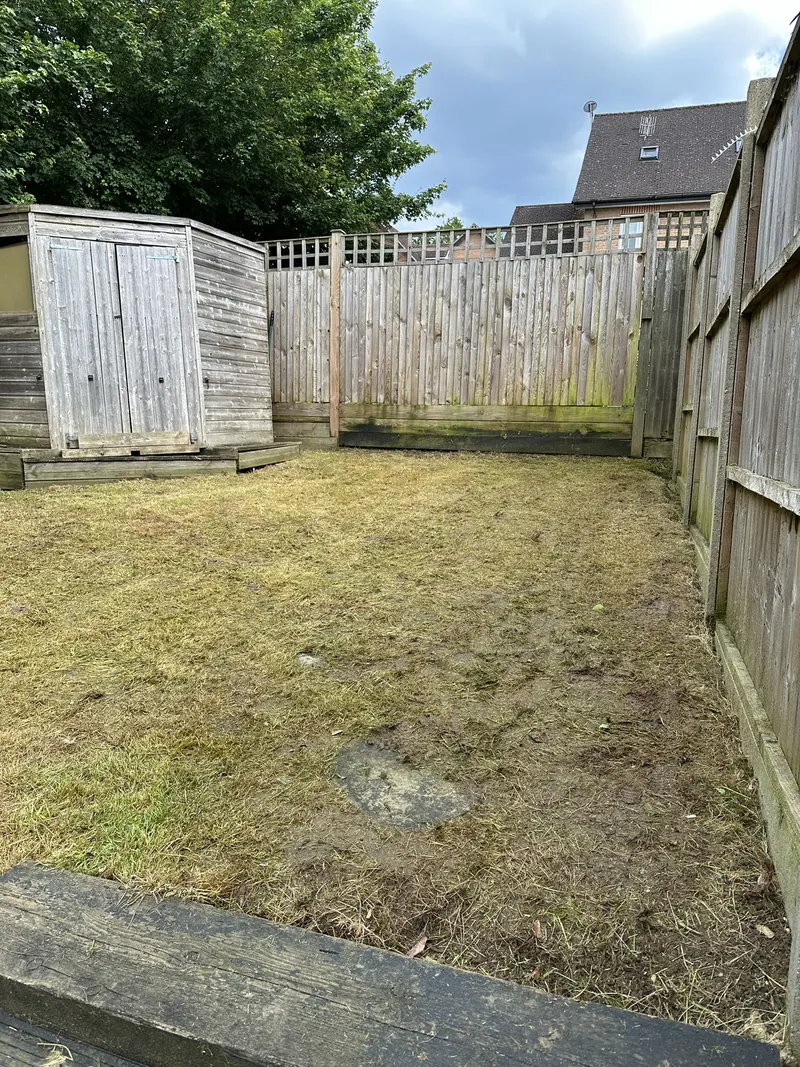
Before asking for a late-year cut, walk the accessible edge and identify the areas you can see clearly. Send separate pictures of leaf cover, soft ground and grass that still needs attention. A photograph from the gate helps explain whether the working area can be reached without crossing a patch you want left alone.
Give the job a useful finish. For example, you may want the edge beside a path tidied while another section waits. Mark that boundary and tell us whether the same approach can be used on a later visit. If leaves also need attention, give them their own scope so the mower work can be assessed independently.
For an autumn enquiry, distinguish grass that needs cutting from leaves that cover the route. If the two overlap, show the most affected patch and an area where the turf is visible. Keep an area you want left alone out of the marked outline. The photographs should show whether the accessible edge can be reached without crossing softer ground. In winter, ask for the suitability of the visit to be checked before assuming that the autumn scope still fits.
If the work can go ahead, mark the section you want finished and say where any clippings can be gathered. A path leading to the lawn may need to be kept clear while the grass at its far end is left untouched. Put each of those requirements on its own line. Show a current photo if ground conditions change before the date, and explain which part is now affected. That keeps the agreement tied to the turf and route you actually want assessed.
The RHS guidance on autumn and winter mowing suggests a higher cut in autumn. Winter cuts are usually unnecessary unless growth continues in mild weather. From October to December, assess the actual ground and avoid mowing when it is very soft, wet or frozen.