The first cut of the year
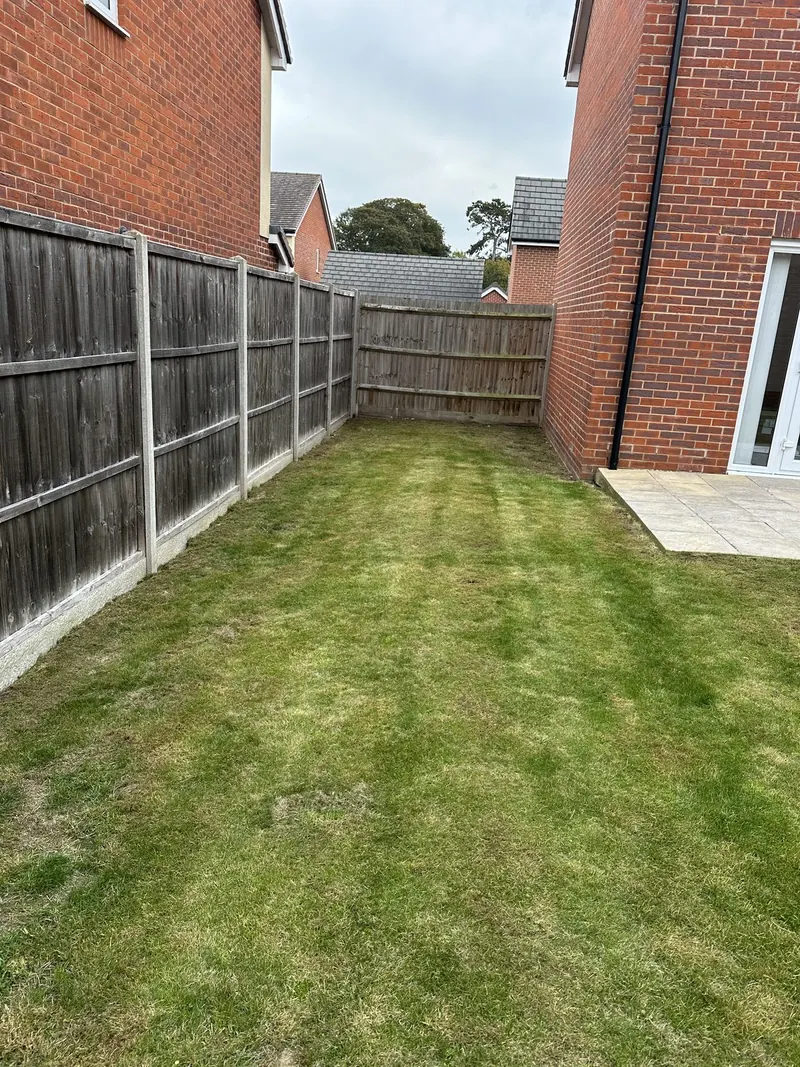
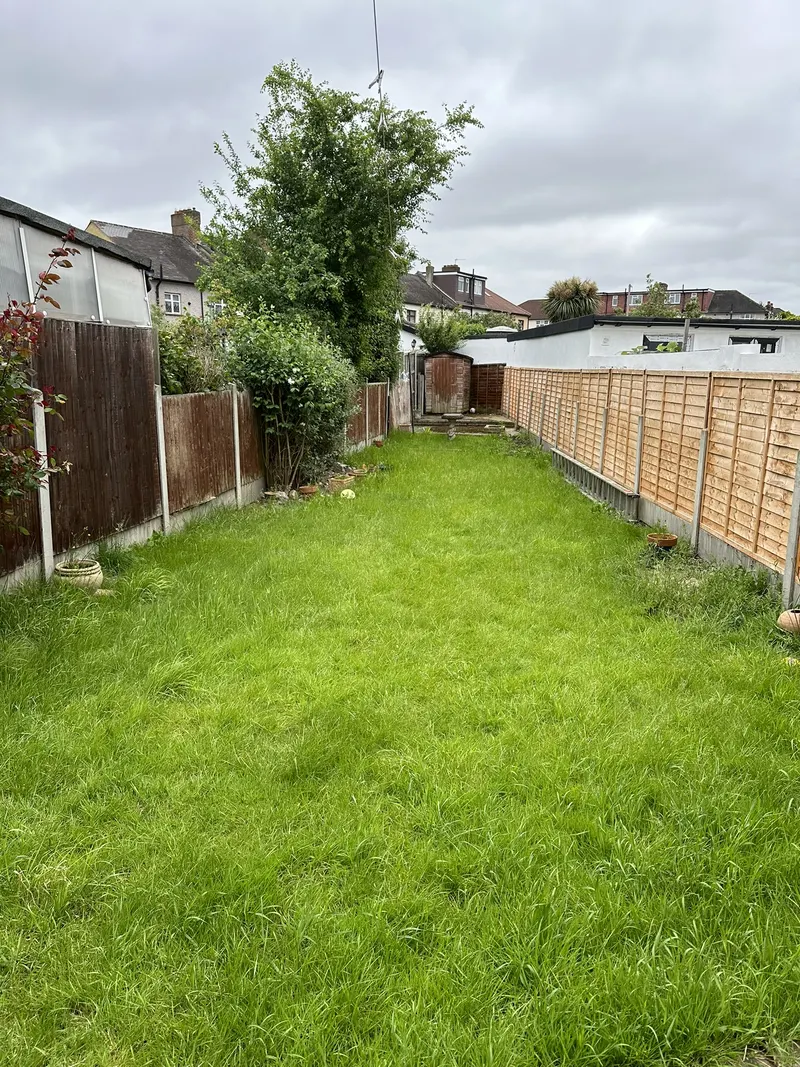
For the first cut, a full view of the lawn is more useful with a photo taken just above the grass. Include the longest and shortest patches in the same enquiry. If you want one part left longer, mark its edge against a feature such as a path or a bed. Show the turn into the garden so we can assess whether every agreed patch can be reached.
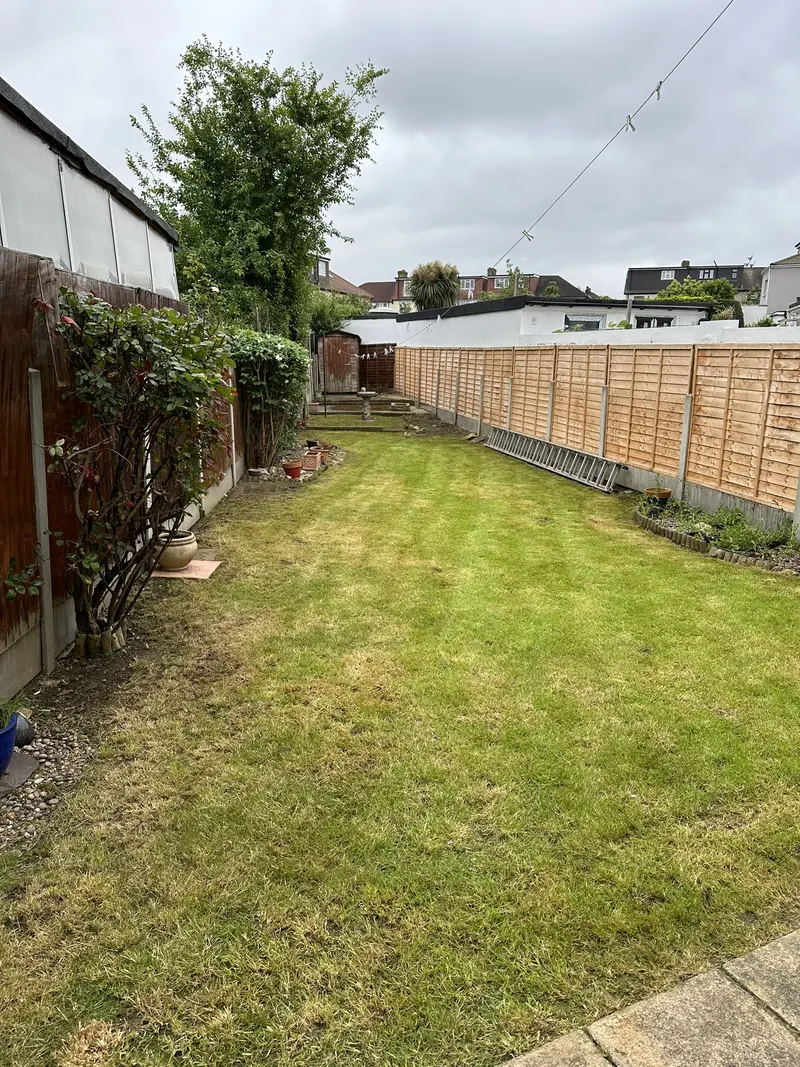
After that visit, review the finish before deciding on another. You may want the centre of the lawn handled differently from the margins. Tell us what will be useful between cuts and what can wait. An agreed first cut should make those later choices easier to see.
Compare the height at the boundary with the height in the centre. A wide photograph alone can make grass look uniform when the longest patches are against a fence or around a bed. Take a side view and show a fixed object for scale. If you use one route more than another, say which area needs to be useful immediately after the cut. A higher first finish can be discussed before setting a shorter routine, subject to the conditions on the visit.
Give the opening for the mower its own picture. An entrance may be clear while the turn beyond it is restricted. Show steps or an obstacle near the point the cut should begin. If you know of anything hidden by the grass, mark it separately and do not rely on the overview to show it. When reviewing the estimate, check that it names the lawn, the edges and where the cuttings should go. After the visit, decide whether the next cut needs the same area or a different finish.
For this first appointment, distinguish the finish you need immediately from the finish you might request once the lawn is being cut regularly. A route used every day can be identified in the photo without asking for the entire lawn to be taken down to the same level. If the grass at the far side is substantially longer, include a picture looking across both areas and explain where the first cut should stop. Record that boundary in the enquiry.
The RHS lawn mowing guide suggests a high blade setting for the first spring cut. In March or April, use the condition of the grass and ground to decide whether a visit is suitable, rather than treating the month as a booking rule.